

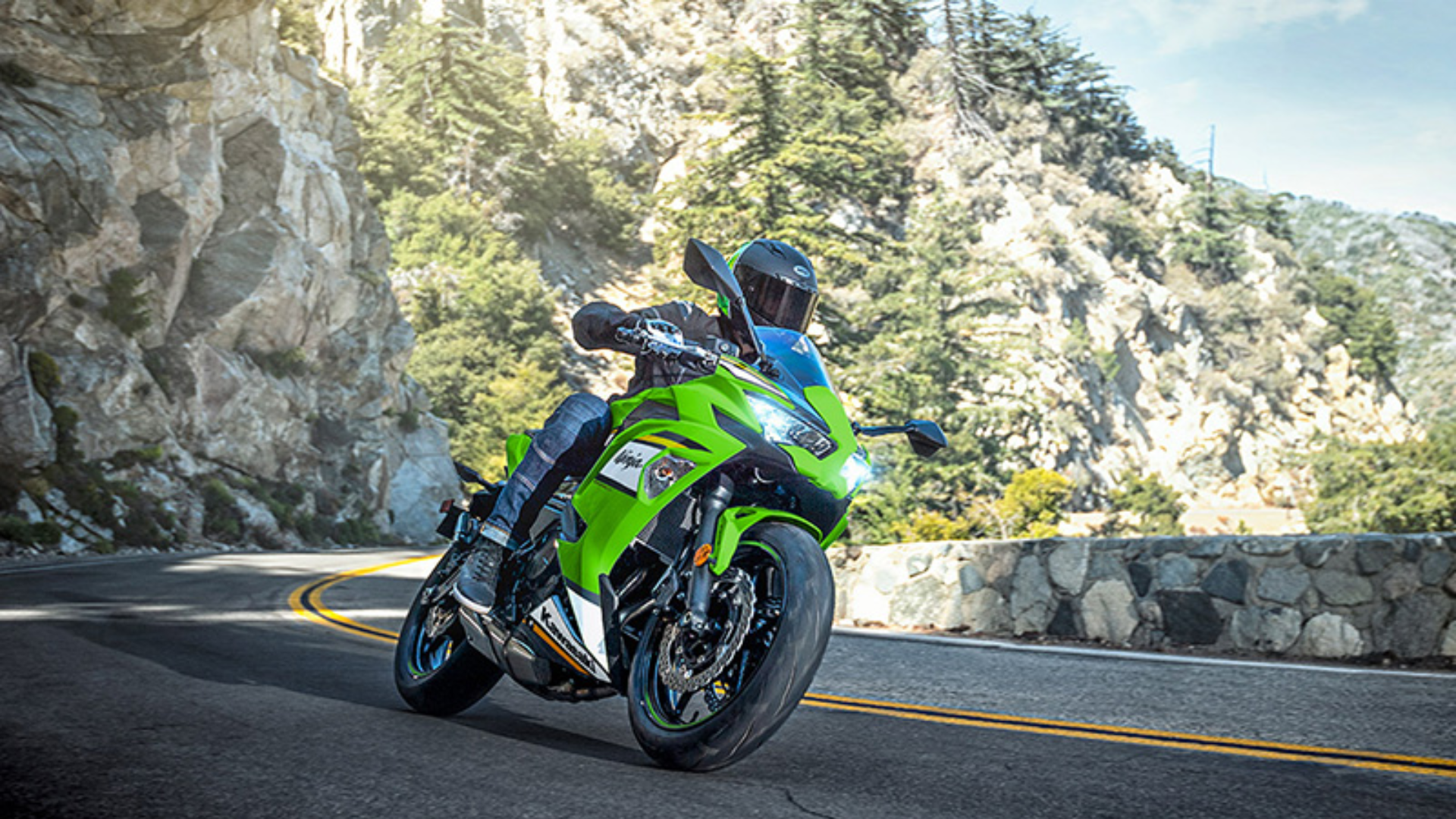
 Western North Carolina is one of the finest motorcycle riding destinations in the Eastern United States. The roads here — the Tail of the Dragon, the Blue Ridge Parkway, US-276 through the Pisgah, the curves above Maggie Valley — draw riders from across the region every season. They are also demanding roads that reward skill and punish gaps in a rider’s training in ways that a flat interstate simply doesn’t.
That combination of exceptional riding opportunity and genuine technical challenge makes formal motorcycle training more valuable here than in most parts of the country. Whether you’re preparing for your first ride or returning to the saddle after years away, structured rider training gives you tools that no amount of informal practice can fully replicate.
This guide covers why formal training matters for WNC riding specifically, what North Carolina’s licensing process requires, where to find courses in the region, and what to expect when you show up for your first class.
Quick Summary
This guide is written for new and returning motorcycle riders in Western North Carolina. Topics covered include:
- Why mountain road riding amplifies the value of formal training
- NC motorcycle license requirements and how training fits into the process
- What the MSF Basic RiderCourse covers and who it’s designed for
- Advanced and returning rider course options
- How to find currently available courses through official resources
- How to prepare for your course and apply what you learn on WNC roads
Why Formal Rider Training Matters More in the Mountains
Motorcycle crashes happen most often in corners, in intersections, and in situations that require rapid, precise responses from a rider who may not have practiced those responses enough to execute them under pressure. The Motorcycle Safety Foundation has documented consistently that trained riders have significantly better outcomes in these scenarios than untrained riders, not because training eliminates risk, but because it builds the physical and mental habits that allow riders to respond correctly when it counts.
In Western North Carolina, those scenarios arrive more frequently and with less margin for error than on gentler terrain. A decreasing-radius corner on a mountain road does not telegraph its difficulty the way a flat curve does. Surface changes from sunlit pavement to shaded damp sections happen suddenly. Elevation drops create braking situations that require more from a rider than flat-road experience prepares them for.
Trained riders approach these conditions with specific, practiced skills:
- Consistent cornering technique with proper entry speed and line selection
- Smooth, progressive braking that avoids front wheel lock on changing surfaces
- Vision habits that extend their awareness further down the road
- Emergency response muscle memory that activates before conscious thought
These are not skills that develop naturally from accumulating miles. They are built deliberately through structured training, and they make WNC’s mountain roads safer and more enjoyable in a way that simply riding more cannot replicate.
North Carolina Motorcycle License Requirements
The NC Motorcycle Learner’s Permit
Before operating a motorcycle on North Carolina public roads, riders must hold either a valid motorcycle endorsement on their driver’s license or a motorcycle learner’s permit. The learner’s permit requires passing a written knowledge test at an NCDMV office and is valid for 18 months, during which permit holders can ride with specific restrictions including no nighttime riding and no passengers.
The Knowledge and Skills Tests
To obtain a full motorcycle endorsement, riders must pass both the written knowledge test and an on-cycle skills test administered by the NCDMV. The skills test evaluates basic vehicle control, slow-speed maneuvers, and emergency response exercises on a closed course. Current test requirements and scheduling are managed through the NCDMV website, which is the most reliable source for up-to-date testing procedures.
How MSF Course Completion Affects Licensing
Completing an approved Motorcycle Safety Foundation course can waive the NCDMV skills test requirement for qualifying riders, allowing course graduates to obtain their motorcycle endorsement without a separate DMV skills evaluation. This waiver is one of the most practical reasons new riders seek out formal training: it streamlines the licensing process while delivering genuine riding skills that a DMV test alone doesn’t build.
Always confirm the current waiver policy directly with the NCDMV, as program details can change. The NCDMV motorcycle endorsement page has current requirements.
Requirements for Riders Under 18
Riders under 18 in North Carolina face additional requirements including parental consent, a minimum permit holding period, and mandatory safety course completion. Current requirements for minor riders are detailed on the NCDMV website and should be verified before beginning the licensing process for younger riders.
The Motorcycle Safety Foundation BRC: What to Expect
The MSF Basic RiderCourse is the most widely available structured motorcycle training program in the United States, and it is the standard starting point for new riders across North Carolina. The course is designed for people with little to no motorcycle experience, though it provides useful reinforcement for riders who learned informally and want to fill gaps in their foundational skills.
The BRC is divided into two components:
- eCourse (online): Completed before the range sessions, covering motorcycle controls, traffic strategies, and fundamental riding concepts at the rider’s own pace
- Range sessions: Hands-on riding instruction on a closed course, typically conducted over a single weekend or two evenings plus a full day
On the range, students work through a progressive sequence of exercises that build specific skills:
- Starting, stopping, and slow-speed balance
- Friction zone and clutch control
- Turning and cornering at low and moderate speeds
- Quick stops and emergency braking technique
- Swerving and obstacle avoidance
Motorcycles are typically provided by the training provider for range exercises, which means you do not need to own a motorcycle to take the BRC. Completing the course gives you the foundational skill set and the licensing pathway that new riders in NC need to get started correctly.
Beyond the BRC: Advanced and Returning Rider Courses
The Advanced RiderCourse
The MSF Advanced RiderCourse is designed for licensed riders who already have foundational skills and want to develop higher-level proficiency. The ARC emphasizes precision cornering technique, advanced braking, and risk management strategies for real-road riding scenarios. For riders who regularly use WNC’s technical mountain roads, the skills built in the ARC translate directly to safer, more confident riding on the terrain that defines riding in this region.
The Returning Rider Course
Riders who held a license in the past but haven’t ridden regularly for a significant period have a specific training need: refreshing skills that have faded rather than building from scratch. The MSF Returning Rider course addresses exactly that. It covers the same foundational range exercises as the BRC but moves through them faster for riders who have prior experience, focusing on restoring muscle memory and updating any habits that may have developed before formal training was available to them.
When Experienced Riders Benefit From Retraining
Experienced riders sometimes resist the idea of a formal course, viewing training as something for beginners. That perspective undersells what structured training offers riders at any level. Instructors routinely work with licensed riders who have been riding for years and discover in the first range session that habits they’ve had since they learned — wide entry lines, late braking, inconsistent clutch use — have been limiting their performance and safety without their awareness.
If you’ve had a close call on a mountain road that you couldn’t fully explain, or if your braking and cornering feel more instinctive than intentional, a course is likely to offer more than you expect.
Where to Find Motorcycle Safety Courses in Western NC
Specific course schedules, locations, and availability change throughout the year, so rather than listing details that could become outdated, we recommend going directly to the official sources that maintain current information.
The most reliable resources for finding courses in and around Western NC:
- MSF Course Locator: The Motorcycle Safety Foundation’s course finder allows you to search by zip code for currently scheduled BRC, ARC, and other courses in your area
- NCDMV Approved Course List: The NCDMV website maintains a list of approved training providers in North Carolina whose course completions qualify for the skills test waiver
- Community Colleges: Several community colleges in the WNC region offer MSF-curriculum rider training programs through their continuing education departments; checking with local institutions directly is the most reliable way to find current enrollment availability
Courses fill quickly in spring, which is peak demand season for rider training across WNC. If you’re planning to ride this season, searching for course availability sooner rather than later gives you the best scheduling flexibility.
What to Bring and How to Prepare for Your Course
Arriving prepared for your training course makes the experience more productive and more comfortable. Most BRC providers publish gear requirements in advance, but the standard expectations are consistent:
Required gear for most courses:
- DOT-certified helmet (full-face strongly recommended)
- Over-the-ankle footwear with a low heel
- Long pants (sturdy fabric; no shorts)
- Long-sleeved shirt or jacket
- Full-fingered gloves
Practical preparation tips:
- Eat a normal meal before range sessions; you’ll be on your feet and concentrating for several hours
- Dress in layers for early-season courses where morning temperatures can be significantly cooler than afternoon
- Review the eCourse material before your range sessions rather than rushing through it; the concepts it introduces directly inform what you’ll practice on the range
- Come with questions — course instructors are experienced riders who appreciate engaged students
After the Course: Putting Training Into Practice on WNC Roads
Completing a safety course is the beginning of skill development, not the end of it. The techniques you practice on the range need to be applied deliberately during your early riding before they become automatic. This is especially true for emergency braking and swerving, which require conscious repetition before they become reliable under pressure.
A few principles for translating course skills to WNC mountain roads specifically:
- Enter corners conservatively until you’ve ridden a road multiple times. Mountain roads frequently have features — decreasing radius, mid-corner surface changes, limited sight lines — that aren’t apparent on first approach
- Ride your own pace, not the group’s. Riding with more experienced riders on unfamiliar roads is one of the most common setups for new rider incidents; the pressure to keep up overrides the judgment that training is trying to build
- Build mileage progressively. Start with roads and conditions you find comfortable, then expand your range as your skills develop
For more guidance on riding WNC’s mountain roads safely, our blog on motorcycle safety tips for mountain riding in Western NC covers the specific techniques and awareness habits that make the most difference on the roads you’ll actually ride.
Frequently Asked Questions
Do I need my own motorcycle to take an MSF course?
No. The MSF Basic RiderCourse and most other entry-level programs provide motorcycles for range exercises. You will need to supply your own approved safety gear. If you are taking an advanced course on your own motorcycle, confirm the specific requirements with your training provider before the course date.
How long does the Basic RiderCourse take?
The BRC typically requires approximately five hours of online eCourse work completed independently, followed by approximately ten hours of range instruction usually spread across two days. Total time commitment from start to completion is typically one full weekend.
Will completing an MSF course lower my insurance?
Many insurance providers offer discounts for riders who have completed an approved MSF course. Discount availability and amount vary by insurer and policy type. Contact your insurance provider directly to confirm whether a course completion discount applies to your specific policy.
Is rider training required in North Carolina?
Training is not universally required for adult riders in North Carolina, but completing an approved course qualifies riders for the NCDMV skills test waiver and is strongly recommended by the NCDMV and the MSF regardless of legal requirements. For riders under 18, mandatory training requirements apply. Always verify current requirements with the NCDMV directly.
Start Your Riding Journey the Right Way
The mountain roads of Western North Carolina are some of the best in the country. Getting proper training before you ride them isn’t a barrier to the experience: it’s what makes the experience everything it should be. Once you’ve completed your course and earned your endorsement, browse our current motorcycle inventory to find the right machine for where you’re headed. Our team at Waynesville Cycle Center has been helping WNC riders get started and get better since 1970, and we’re ready to help you do the same. Reach out anytime with questions about gear, bikes, or getting started on two wheels.