

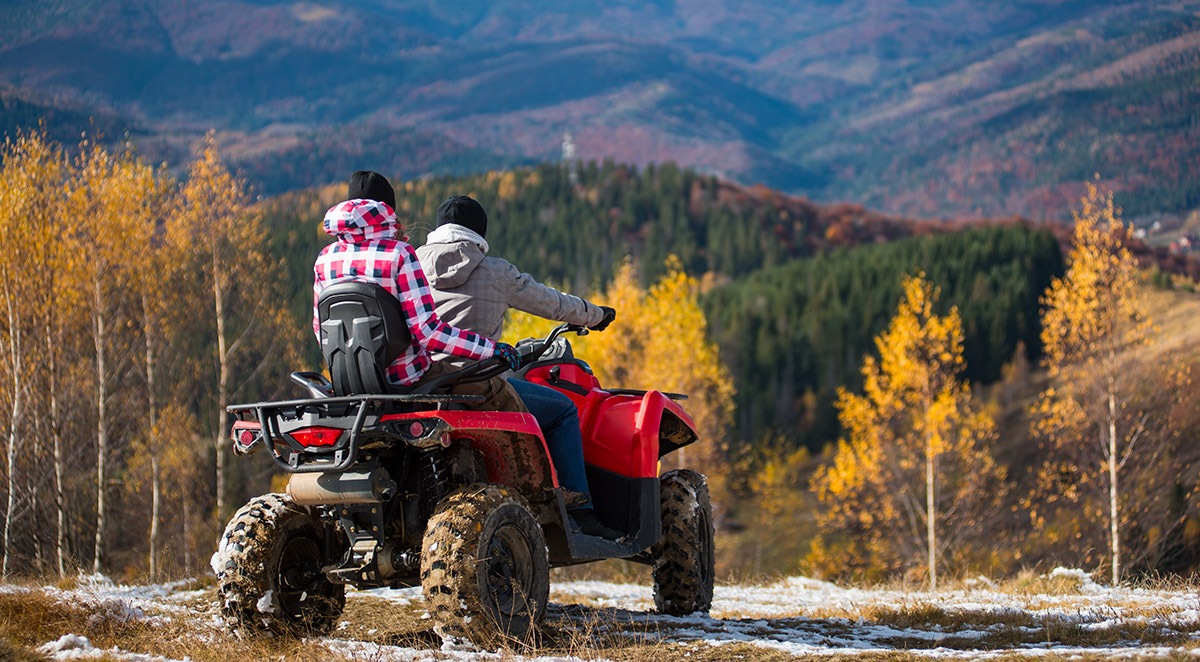
 Understanding powersports insurance requirements across North Carolina, South Carolina, and Tennessee is essential for legal operation and financial protection when riding motorcycles, ATVs, and side-by-sides throughout the tri-state region. Each state maintains distinct insurance laws, minimum coverage requirements, and operational regulations that affect how and where you can legally operate your powersports vehicles. Whether you’re a resident planning local adventures or a visitor exploring the region’s incredible riding opportunities, compliance with applicable insurance laws protects both your legal standing and financial interests.
Motorcycle insurance requirements vary significantly between states, with different minimum liability limits, coverage types, and proof-of-insurance documentation requirements. ATV insurance and side by side coverage present additional complexities, as these vehicles often operate in gray areas between automotive and recreational vehicle regulations. Understanding these differences helps ensure proper coverage while avoiding legal complications that could result from inadequate insurance or improper documentation.
The interconnected nature of riding throughout the tri-state region means that many riders regularly cross state lines during their adventures, making it crucial to understand how insurance coverage transfers between jurisdictions and what additional considerations apply when operating outside your state of residence. Multi-state riding requires comprehensive coverage that meets the highest standards of any state you plan to visit, not just minimum requirements in your home state.
1. North Carolina Powersports Insurance Requirements
North Carolina maintains comprehensive insurance requirements for motorcycles while treating ATVs and side-by-sides under different regulatory frameworks that affect insurance needs and legal operation requirements. Understanding these distinctions helps ensure proper coverage and legal compliance throughout the state.
North Carolina Motorcycle Insurance Requirements
North Carolina requires all motorcycle operators to maintain minimum liability insurance coverage that meets specific state standards for both bodily injury and property damage protection. These requirements apply to all motorcycles operated on public roads within the state, regardless of the operator’s state of residence.
North Carolina Motorcycle Insurance Minimums:
- Bodily injury liability: $30,000 per person, $60,000 per accident
- Property damage liability: $25,000 per accident
- Uninsured motorist coverage: $30,000 per person, $60,000 per accident
- Underinsured motorist coverage: $30,000 per person, $60,000 per accident
- Medical payments coverage: $1,000 minimum (can be rejected in writing)
North Carolina’s financial responsibility laws require continuous insurance coverage throughout the vehicle registration period, not just during active riding seasons. Lapses in coverage can result in license suspension, registration revocation, and significant reinstatement fees that far exceed the cost of maintaining continuous coverage.
Proof of insurance must be carried during vehicle operation and presented upon request by law enforcement officials. North Carolina accepts both physical insurance cards and electronic proof displayed on smartphones or other electronic devices, providing flexibility for riders who prefer digital documentation.
The state’s fault-based insurance system means that the at-fault party’s insurance typically covers damages in accident situations. However, uninsured and underinsured motorist coverage protects riders when the responsible party lacks adequate insurance coverage, making these coverages essential rather than optional for practical protection.
North Carolina ATV and UTV Insurance Considerations
North Carolina treats ATVs and UTVs differently from motorcycles in terms of registration and insurance requirements, with distinctions based on where and how these vehicles are operated. Understanding these differences helps ensure appropriate coverage and legal compliance.
ATV Operation Categories in North Carolina:
- Private property operation typically requires no insurance or registration
- Public road operation requires registration, insurance, and licensing compliance
- State park and public land operation may have specific insurance requirements
- Commercial use applications subject to enhanced insurance standards
- Rental or tour operation requiring commercial coverage and licensing
ATVs operated exclusively on private property generally fall outside state insurance requirements, though landowner liability policies may still apply. However, many ATV owners choose voluntary insurance coverage to protect their investment and provide liability protection even during private property operation.
Public road operation of ATVs requires full compliance with motorcycle insurance requirements plus additional safety equipment and operational restrictions. Most North Carolina municipalities restrict ATV road use to specific routes and circumstances, making compliance verification essential before operating ATVs on public roads.
State parks and public riding areas may impose additional insurance requirements or proof-of-coverage documentation beyond state minimums. Riders should verify specific area requirements before visiting to ensure compliance and avoid access restrictions due to inadequate documentation.
North Carolina Coverage Recommendations Beyond Minimums
While North Carolina’s minimum insurance requirements provide basic legal compliance, comprehensive protection requires coverage levels that reflect the true costs of serious accidents and total loss situations. Understanding recommended coverage levels helps ensure adequate financial protection.
Recommended Coverage Enhancements:
- Higher liability limits reflecting actual lawsuit settlement values
- Comprehensive coverage protecting against theft, vandalism, and weather damage
- Collision coverage providing repair or replacement cost protection
- Medical payments coverage exceeding minimum levels for realistic medical cost protection
- Accessory coverage protecting investments in custom parts and equipment
Liability coverage recommendations significantly exceed state minimums, with many insurance professionals suggesting minimum levels of $100,000 per person and $300,000 per accident for bodily injury liability. These higher limits provide realistic protection against the medical costs and lawsuit settlements common in serious motorcycle accidents.
Comprehensive and collision coverage become particularly important for newer or higher-value motorcycles where total loss situations could result in significant financial losses. These coverages protect the owner’s investment while providing funds for replacement vehicles that allow continued riding after accidents or theft situations.
2. South Carolina Powersports Insurance Framework
South Carolina maintains distinct insurance requirements and operational regulations for motorcycles, ATVs, and side-by-sides that reflect the state’s approach to balancing recreational access with safety and liability considerations. Understanding these requirements helps ensure legal operation throughout the state.
South Carolina Motorcycle Insurance Requirements
South Carolina requires motorcycle insurance coverage that meets specific minimum standards while allowing flexibility in coverage selection and insurance provider choice. The state’s requirements focus on liability protection while encouraging additional coverage through various incentives and programs.
South Carolina Motorcycle Insurance Minimums:
- Bodily injury liability: $25,000 per person, $50,000 per accident
- Property damage liability: $25,000 per accident
- Uninsured motorist coverage: Required at same levels as liability coverage
- Medical payments coverage: Optional but recommended
- Personal injury protection: Optional in most circumstances
South Carolina’s lower minimum liability limits compared to North Carolina reflect different approaches to mandatory insurance requirements, though actual protection needs remain similar regardless of legal minimums. Riders should consider coverage levels based on realistic accident costs rather than just legal compliance requirements.
The state requires uninsured motorist coverage at the same levels as liability coverage unless specifically rejected in writing by the policyholder. This requirement provides essential protection in a state where significant numbers of drivers operate without adequate insurance coverage.
Proof of insurance requirements in South Carolina mirror those in most states, with both physical and electronic documentation accepted during traffic stops and other enforcement activities. However, insurance verification systems allow law enforcement to confirm coverage electronically in many situations.
South Carolina Off-Road Vehicle Insurance
South Carolina’s approach to ATV and UTV insurance reflects the state’s recognition of these vehicles’ recreational importance while maintaining reasonable safety and liability standards. The regulatory framework provides clear guidance for different operational scenarios.
South Carolina ATV Insurance Categories:
- Off-road recreational use generally requires no mandatory insurance
- Public road operation subject to full motorcycle insurance requirements
- Commercial operation requiring enhanced coverage and licensing compliance
- Rental and tour operations subject to commercial insurance standards
- State park and public land use may have specific insurance recommendations
Off-road recreational operation on private property typically falls outside mandatory insurance requirements, though liability considerations make voluntary coverage advisable for most owners. Private property liability issues can affect property owners and vehicle operators regardless of mandatory insurance requirements.
Public road operation requires full compliance with motorcycle insurance minimums plus additional safety equipment and operational restrictions. South Carolina allows ATV road use in more circumstances than many states, making insurance compliance verification important for legal operation.
Commercial ATV operations including rental businesses, guided tours, and agricultural applications require enhanced insurance coverage that reflects the increased liability exposures associated with commercial use. These requirements often exceed standard recreational coverage levels significantly.
Multi-State Coverage Considerations for South Carolina Residents
South Carolina residents who regularly ride in North Carolina or Tennessee need insurance coverage that meets the highest requirements of any state they visit, not just South Carolina’s minimum standards. Understanding these multi-state requirements helps ensure continuous legal compliance.
Multi-State Coverage Planning:
- Liability limits meeting the highest requirements of any state visited
- Uninsured motorist coverage providing consistent protection across state lines
- Medical payments coverage addressing varying healthcare cost differences
- Comprehensive coverage protecting against regional crime and weather risks
- Emergency assistance coverage providing support in unfamiliar areas
Cross-border riding requires understanding how insurance coverage transfers between states and what documentation may be required in different jurisdictions. Some states maintain reciprocal agreements that simplify coverage verification, while others require additional documentation or coverage verification.
Emergency assistance coverage becomes particularly valuable for riders who regularly travel outside their home state, providing towing, emergency repairs, and other support services when problems occur far from home base and familiar service providers.
3. Tennessee Powersports Insurance Regulations
Tennessee maintains comprehensive powersports insurance requirements that reflect the state’s significant motorcycle and ATV riding populations while balancing recreational access with safety and liability considerations. Understanding Tennessee’s approach helps ensure proper coverage and legal compliance throughout the state.
Tennessee Motorcycle Insurance Requirements
Tennessee requires motorcycle insurance coverage that meets specific minimum standards while providing flexibility in coverage selection and insurance provider choice. The state’s requirements emphasize liability protection while encouraging additional coverage types.
Tennessee Motorcycle Insurance Minimums:
- Bodily injury liability: $25,000 per person, $50,000 per accident
- Property damage liability: $15,000 per accident
- Uninsured motorist coverage: Not required but strongly recommended
- Medical payments coverage: Not required but recommended
- Personal injury protection: Optional coverage
Tennessee’s minimum property damage liability limit of $15,000 represents one of the lowest requirements in the region, though actual property damage costs in motorcycle accidents often exceed this amount significantly. Higher coverage limits provide more realistic protection against actual accident costs.
The state does not require uninsured motorist coverage, though insurance professionals strongly recommend this protection given the number of uninsured drivers operating throughout Tennessee. Optional uninsured motorist coverage provides essential protection when at-fault parties lack adequate insurance.
Proof of insurance requirements follow standard patterns with both physical and electronic documentation accepted during traffic enforcement activities. Tennessee’s electronic verification systems allow law enforcement to confirm coverage status in most situations without requiring physical documentation.
Tennessee ATV and UTV Insurance Framework
Tennessee’s ATV and UTV insurance framework reflects the state’s significant off-road riding opportunities while maintaining reasonable safety and liability standards. The regulatory approach provides clear guidance for different operational scenarios and use cases.
Tennessee ATV Operation Classifications:
- Private property recreational use typically requires no mandatory insurance
- Public road operation requires registration and insurance compliance
- State park and public land operation subject to specific area requirements
- Commercial use requiring enhanced insurance and licensing compliance
- Agricultural use potentially eligible for specialized coverage options
Tennessee allows ATV operation on public roads in certain circumstances, particularly in rural areas where ATVs provide practical transportation solutions. This flexibility requires understanding when insurance requirements apply and ensuring appropriate coverage for road operation.
State parks and public riding areas throughout Tennessee may impose insurance requirements or recommendations beyond basic legal minimums. Riders should verify specific area requirements before visiting to ensure compliance and avoid access restrictions.
Commercial ATV operations including rental businesses, guided tours, and agricultural applications require insurance coverage that reflects increased liability exposures. These requirements often include higher liability limits and specialized coverage types not required for recreational use.
Tennessee Multi-State Riding Considerations
Tennessee’s central location makes it popular with riders from throughout the Southeast, while Tennessee residents frequently ride in neighboring states. Understanding multi-state insurance considerations helps ensure appropriate coverage and legal compliance.
Multi-State Insurance Planning:
- Coverage levels meeting the highest requirements of any state visited
- Documentation requirements varying between different states
- Emergency assistance providing support throughout travel areas
- Comprehensive coverage protecting against regional variations in risk
Multi-state riding exposes riders to varying insurance requirements and enforcement practices that can create complications if coverage is inadequate. Planning for these variations helps ensure continuous legal compliance and adequate protection.
4. Specialized Coverage Types for Powersports
Powersports insurance extends beyond basic liability requirements to include specialized coverage types that address the unique risks and exposures associated with motorcycle, ATV, and side-by-side ownership and operation. Understanding these options helps ensure comprehensive protection.
Comprehensive and Collision Coverage
Comprehensive and collision coverage protect the owner’s investment in their powersports vehicles while providing funds for repairs or replacement after accidents, theft, or other covered losses. These coverages become particularly important for newer or higher-value machines.
Comprehensive Coverage Benefits:
- Theft protection for vehicles and accessories
- Vandalism and malicious damage coverage
- Weather-related damage including hail, flood, and wind
- Fire damage protection from various causes
- Animal collision coverage for wildlife encounters
Comprehensive coverage proves particularly valuable for powersports vehicles due to their vulnerability to theft and weather damage when stored outdoors or transported on trailers. The portable nature of motorcycles and ATVs makes them attractive targets for thieves who can quickly transport stolen vehicles.
Collision Coverage Advantages:
- Accident damage repair or replacement cost coverage
- Single-vehicle accident protection for rider error situations
- Coverage regardless of fault determination in multi-vehicle accidents
- Protection against uninsured or underinsured at-fault parties
- Deductible options allowing customization of coverage costs
Collision coverage provides essential protection against the high costs of accident damage repair or total loss replacement. Modern powersports vehicles incorporate expensive components and specialized parts that create high repair costs even for relatively minor damage.
Accessory and Custom Equipment Coverage
Standard powersports insurance policies often provide limited coverage for accessories, custom parts, and equipment added after original purchase. Specialized accessory coverage protects investments in customization and practical accessories that enhance vehicle utility and performance.
Accessory Coverage Considerations:
- Custom exhaust systems and performance modifications
- Luggage systems and cargo accessories
- Electronic accessories including GPS, communications, and entertainment systems
- Safety equipment upgrades and protective accessories
- Tool and spare parts coverage for extended travel situations
Accessory coverage requires documentation of installed equipment including receipts, installation records, and photographic evidence of modifications. Maintaining complete records helps ensure claim processing proceeds smoothly when coverage is needed.
Custom equipment coverage may require additional premium charges based on the value of covered accessories and equipment. However, these costs typically represent small fractions of replacement costs for comprehensive custom installations.
Emergency Assistance and Roadside Coverage
Emergency assistance coverage provides crucial support when mechanical problems or accidents leave riders stranded away from home base and familiar service providers.
Emergency Assistance Benefits:
- Towing service to appropriate repair facilities
- Emergency fuel delivery for fuel exhaustion situations
- Battery jump-start service for electrical problems
- Flat tire assistance and emergency tire repair
- Lockout service for lost or broken key situations
Emergency assistance proves particularly valuable for powersports vehicles due to their specialized service requirements and the remote locations where breakdowns often occur. Many automotive service providers lack the equipment or expertise necessary to properly handle motorcycle and ATV emergencies.
5. Insurance Shopping and Selection Strategies
Selecting appropriate powersports insurance requires systematic comparison of coverage options, pricing, and service quality from multiple insurance providers. Understanding evaluation criteria helps ensure selection of coverage that provides optimal value and protection.
Comparing Insurance Quotes and Coverage
Insurance comparison requires evaluation of coverage types, limits, deductibles, and service quality rather than simply choosing the lowest-priced option. Comprehensive comparison helps identify coverage that provides genuine value and appropriate protection levels.
Quote Comparison Factors:
- Coverage types and limits offered by different providers
- Deductible options and their impact on premium costs
- Discount programs and qualification requirements
- Claims service quality and settlement practices
- Financial stability ratings and long-term viability
Coverage comparison should focus on actual protection provided rather than just premium costs, as inadequate coverage can result in significant out-of-pocket expenses during claim situations. Slightly higher premiums often provide substantially better protection and service quality.
Discount programs can significantly reduce insurance costs for qualified policyholders, with common discounts available for safety course completion, multi-vehicle policies, good driving records, and professional organization membership. Understanding available discounts helps maximize value from insurance purchases.
Specialized Powersports Insurance Providers
Some insurance companies specialize in powersports coverage and may provide better understanding of unique risks and coverage needs compared to general automotive insurers. Specialized providers often offer coverage options and service quality advantages that justify careful consideration.
Specialized Provider Advantages:
- Enhanced understanding of powersports risks and coverage needs
- Specialized claims handling experience with powersports accidents
- Coverage options designed specifically for motorcycle and ATV applications
- Service provider networks familiar with powersports vehicles
- Expert guidance on coverage selection and risk management
Specialized powersports insurers often provide coverage options not available through general automotive insurers, including agreed value coverage, racing exclusion waivers, and enhanced accessory coverage that better matches actual ownership patterns and risk exposures.
Claims handling experience becomes particularly important for powersports insurance due to the specialized nature of accident investigation, damage assessment, and repair procedures. Insurers with extensive powersports experience typically provide faster, more accurate claim resolution.
6. FAQ About Multi-State Powersports Insurance
Do I need different insurance when riding in different states?
Your insurance policy should meet the highest requirements of any state you plan to visit, not just your home state minimums. Most quality insurance policies provide coverage that meets or exceeds requirements in all three states, but you should verify coverage adequacy before multi-state travel to avoid legal compliance issues.
What happens if I have an accident in a state with different insurance requirements?
Your insurance coverage follows you across state lines, but you must meet the minimum requirements of the state where the accident occurs. If your coverage is inadequate for that state’s requirements, you could face legal penalties even if you meet your home state’s minimums.
Is ATV insurance required for trail riding in national forests?
Federal land ATV operation typically doesn’t require state-mandated insurance, but individual parks and forests may have specific insurance requirements or recommendations. Many riders choose voluntary coverage for liability protection and vehicle damage coverage regardless of legal requirements.
How does insurance coverage work for borrowed or rented powersports vehicles?
Coverage depends on the specific policy language and the relationship between the owner and operator. Some policies extend coverage to permissive users, while others exclude coverage for non-family members. Rental vehicles typically include basic coverage, but supplemental coverage may be advisable for comprehensive protection.
What documentation should I carry when riding across state lines?
Carry current insurance cards (physical or electronic), vehicle registration, and appropriate driver’s licenses for each state you plan to visit. Some states have reciprocal agreements that simplify requirements, while others may require specific documentation or have unique operational restrictions.
7. Ensure Proper Protection for Your Riding Adventures
Understanding and maintaining appropriate powersports insurance coverage protects both your legal standing and financial interests while providing peace of mind that allows you to fully enjoy Western North Carolina, South Carolina, and Tennessee’s incredible riding opportunities. Proper coverage represents essential preparation rather than optional expense, providing protection that far exceeds its cost when coverage is needed.
Our team at Waynesville Cycle Center understands that insurance questions can be complex, particularly for riders who regularly travel across state lines or operate multiple types of powersports vehicles. While we don’t sell insurance, we’re happy to provide guidance on coverage considerations and connect you with knowledgeable insurance professionals who understand powersports applications.
Ready to ensure your riding adventures are properly protected? Contact us at (828) 944-8492 for guidance on insurance considerations for your specific riding patterns and vehicles. Our experienced team can help you understand what coverage questions to ask and what factors to consider when selecting insurance providers.
Planning to expand your riding adventures with new equipment? Explore our inventory of motorcycles, ATVs, and side-by-sides from Honda, Kawasaki, Suzuki, and Yamaha, all of which qualify for comprehensive insurance coverage from specialized powersports insurers.
For comprehensive powersports accessories, safety gear, and maintenance supplies that may affect your insurance coverage, visit our sister company Carolina Cycle for quality products and expert advice from fellow riders who understand tri-state riding requirements.