

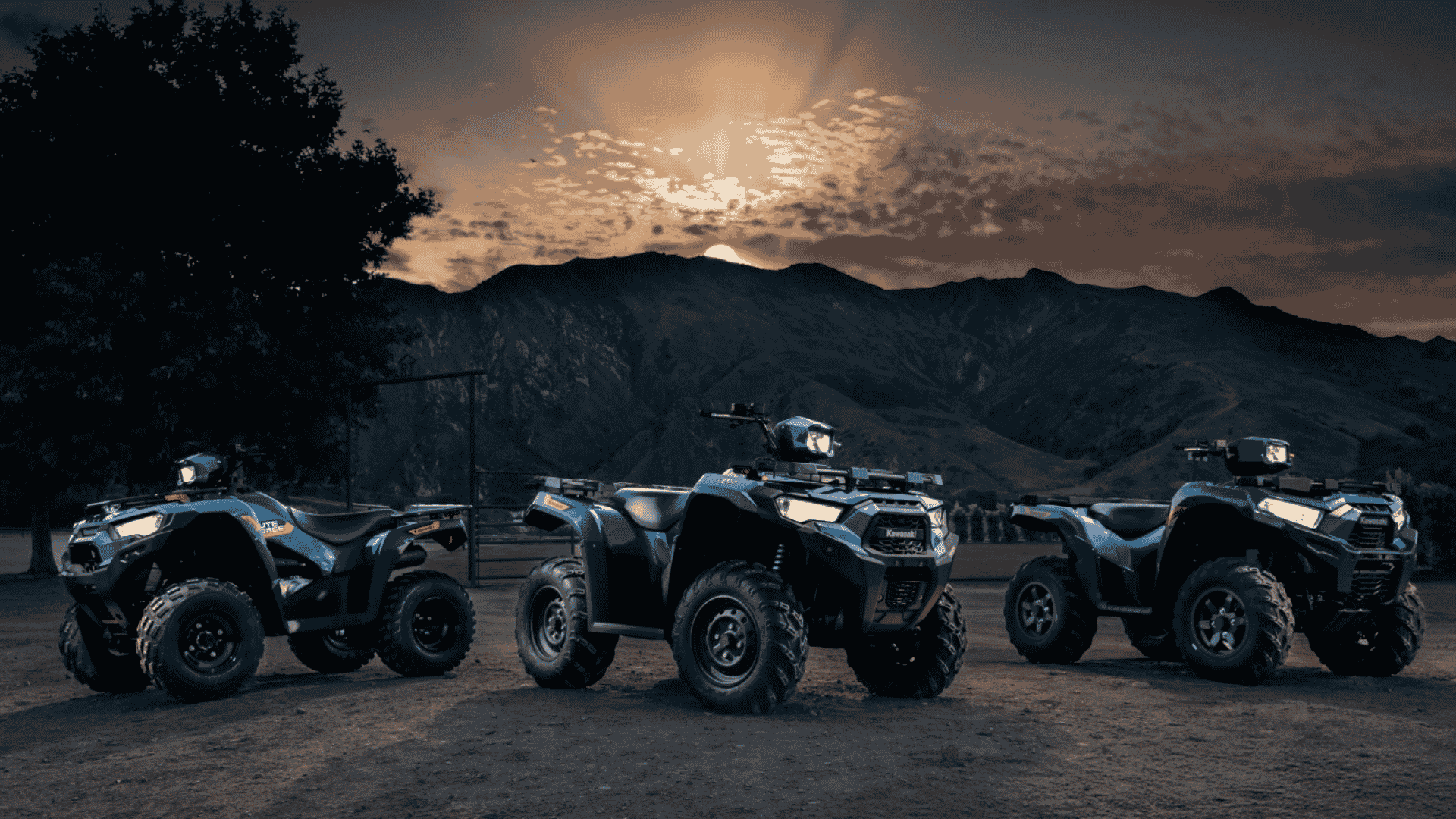
 Opening morning in the mountains starts long before sunrise. You’re loading gear in the dark, riding a cold logging road, and trying to reach your stand without making a racket. A well set-up ATV or UTV makes all of that easier. A poorly set-up one can cost you the hunt, or worse.
This guide walks through the hunting ATV modifications that make the biggest difference for hunters in Haywood County and across Western North Carolina. We’ll also cover the North Carolina rules that affect where and how you ride, plus a pre-season checklist to run before you head out.
Quick Summary
- Start with safe, secure gun and bow carry, then add storage, lighting, and a winch.
- Protect the underside and front of your machine from rocks, stumps, and brush.
- Keep your machine quiet with good maintenance, not by changing the exhaust.
- North Carolina game lands do not allow ATVs or UTVs that aren’t licensed for highway use, except in designated areas on national forests and for permit holders in the Disabled Access Program.
- Run a full pre-season check on tires, brakes, battery, and lights before opening day.
The Short Answer: What Are the Best Hunting ATV Modifications?
The most useful hunting ATV modifications are a secure gun or bow carrier, weatherproof storage, extra lighting, a winch, and underbody and front protection. Add good tires for your terrain, and keep the machine quiet through regular maintenance. Before you ride, confirm you’re allowed to use an ATV or UTV where you plan to hunt, since North Carolina game land rules are strict.
Know Where You Can Ride First
Game Land Rules
Before you spend a dollar on upgrades, make sure you can use your machine where you hunt. This is where many hunters get caught off guard. Under North Carolina’s game land rules, it’s unlawful to operate motorized vehicles that aren’t licensed for highway use on game lands, except in designated areas on national forests, and the rule states that off-road vehicles including ATVs and UTVs are not permitted (15A NCAC 10D .0102, NC Office of Administrative Hearings).
Disabled Access Permit
There is an important exception. Hunters with limited physical mobility can apply for a Disabled Access Permit, which allows ATVs on certain Commission-maintained roads, posted trails, and some gated roads on designated game lands. The permit is free, and it lasts as long as the qualifying disability does (NC Wildlife Resources Commission).
National Forest and Private Land
On national forest land, the Commission notes that off-highway vehicles are permitted only on designated routes (NC Wildlife Resources Commission). For most Western NC hunters, that means the ATV or UTV earns its keep on private land, leased land, and family property. Always get the landowner’s permission, and know the property lines before you ride.
Hunting ATV Modifications That Matter Most
Here are the upgrades that matter most, one at a time.
Gun and Bow Carry: The First Upgrade
Nothing matters more than how you carry your firearm or bow. A loose rifle bouncing across the rack is a safety risk, and it can knock your scope off zero before you ever take a shot. A purpose-built gun boot, rack, or bow carrier holds your gear steady and protects it from mud and brush.
When you choose a carrier, think about where it mounts and how you’ll reach it. Some hunters want the gun on the front rack where they can see it. Others prefer the rear rack to keep the front clear for gear. On a UTV, a cab-mounted rack keeps a firearm off the floor and out of the way of passengers.
Whatever you choose, ride with your firearm unloaded and cased or secured in its carrier. Load only when you’ve reached your stand and the machine is shut off. Your hunter education course and the NC Wildlife Resources Commission are the best sources for current transport rules.
Storage That Keeps Gear Dry and Quiet
Hunting brings a lot of gear: calls, rangefinder, rain gear, a drag rope, a knife kit, snacks, and extra layers. Hard-sided cargo boxes keep that gear dry, organized, and quiet. Soft bags rustle and rattle less than loose gear in a milk crate, which matters when you’re easing into a spot before daylight.
Pay attention to weight. Every ATV and UTV has a rack or bed capacity listed in the owner’s manual, and that number includes the weight of the box itself. Overloading a rack, especially up high, makes the machine top-heavy on side slopes. That’s a real concern on steep mountain ground.
Lighting for Dark Mornings and Late Evenings
Hunters ride in the dark more than almost anyone. North Carolina law requires ATV riders to display a lighted headlamp and taillamp from one-half hour after sunset to one-half hour before sunrise, and any time visibility is poor (N.C. Gen. Stat. § 20-171.19). So make sure your stock lights work before you think about adding more.
Once the basics are covered, many hunters add a work light or light bar for loading game and finding trail markers. Some prefer a dimmer, colored light for the last stretch to the stand, so they don’t light up the whole hillside. Make sure your battery and charging system can handle the extra load, especially if you idle often with lights on.
Winch and Recovery Gear
In Western North Carolina, a winch is one of the most practical upgrades you can make. Mountain hollows stay wet, creek crossings can surprise you, and a downed tree across a logging road can turn a short ride into a long walk. A winch lets you pull yourself out, clear a small blowdown, or help load game.
Pair the winch with basic recovery gear: a tree saver strap, a snatch block, gloves, and a short tow strap. Learn to use it in your yard before you need it in the woods. A winch cable or rope under load can be dangerous, so keep people well clear when you pull.
Protection for Rough Mountain Ground
Stumps, rocks, and brush take a toll on the underside of a machine. Skid plates protect the frame, engine, and other parts underneath. Front brush guards and hand guards push branches aside and protect your levers and hands.
These upgrades also save money over time. A cracked part from a hidden stump is a lot more expensive than a skid plate. If you hunt the same rough ground every season, protection pays for itself.
Tires and Traction
Your tires decide whether you get to the stand or spend the morning stuck. Mud tires bite hard in wet bottoms, but they can be loud on hard-packed roads. All-terrain tires are quieter and more comfortable for mixed ground. For a deeper look, read our guide on choosing the right tire for your ATV or UTV.
Check tread depth and sidewalls before the season, and set pressure to the manufacturer’s specification. Low pressure can help traction, but too low can let the tire slip on the rim or get cut on a sharp rock.
Keep It Quiet with Maintenance
Deer and turkeys hear you coming, so a quiet machine is a real advantage. The best way to keep noise down is simple maintenance. Tighten loose racks and accessories, fix rattling panels, and grease squeaky parts.
Keep your factory exhaust and muffler in good shape. A damaged or loose exhaust gets louder, and a louder machine announces you long before you reach the stand. A well-tuned engine also idles smoother and starts easier on a cold morning, which keeps your approach quiet.
ATV or UTV for Hunting?
Many hunters ask whether an ATV or a UTV makes more sense. An ATV is narrower and fits tighter trails. A UTV carries a passenger and more gear, and it often has a dump bed for hauling game.
The right choice depends on your property, your hunting partners, and what you haul. Our guide on ATV vs. UTV for hunting season breaks it down in detail. You can also browse our ATV dealer page and side-by-side dealer page to see the machines we carry.
Rider Safety and North Carolina Rules
Helmets and Riding Rules
A few rules apply every time you ride. In North Carolina, anyone under 18 operating an ATV off a public road must wear eye protection and a helmet that meets U.S. Department of Transportation motorcycle helmet standards. State law also prohibits riding an ATV under the influence, riding carelessly, and riding on public roads except to cross them (N.C. Gen. Stat. § 20-171.19).
Youth Riders
Youth hunters need extra care. North Carolina law makes it unlawful for a parent or guardian to let a child under 8 operate an ATV. It also requires riders under 16 to follow the manufacturer’s age warning label and to stay under the continuous visual supervision of someone 18 or older (N.C. Gen. Stat. § 20-171.15). Our youth ATV and dirt bike safety guide has more tips for young riders.
Hunter Orange
Don’t forget hunter orange. State law requires deer hunters during a deer firearms season to wear hunter orange visible from all directions, with an exception for landholders and their families hunting their own land (N.C. Gen. Stat. § 113-291.8). It’s a smart idea to wear it while riding to and from your stand, too.
Your Pre-Season Checklist
Run through this list a couple of weeks before opening day:
- Check tire pressure, tread, and sidewalls.
- Test brakes, and look for worn pads or leaks.
- Charge and test the battery, and clean the terminals.
- Change the oil and filter, and check the air filter.
- Test the headlight, taillight, and any added lights.
- Run the winch in and out, and inspect the cable or rope.
- Tighten racks, carriers, and boxes, and fix any rattles.
When the Check Finds a Problem
If any of that turns up a problem, our service department can help. You can schedule service for oil changes, tire changes, and diagnosis. For accessory installs or anything beyond basic service, call our service team first to talk through what your machine needs. If you’d rather do the work yourself, our sister store Carolina Cycle sells genuine OEM parts online.
Frequently Asked Questions
What are the most important hunting ATV modifications?
Start with a secure gun or bow carrier, weatherproof storage, working lights, and a winch. Add skid plates and brush guards if you ride rough ground, and choose tires that match your terrain.
Can I ride my ATV on North Carolina game lands?
In most cases, no. North Carolina’s game land rules prohibit vehicles not licensed for highway use, including ATVs and UTVs, except in designated areas on national forests and for Disabled Access Permit holders on designated game lands.
Who qualifies for a Disabled Access Permit in NC?
Hunters with a disability that limits physical mobility enough that normal use of game lands isn’t possible without vehicle help can apply through the NC Wildlife Resources Commission. There is no fee, and the permit comes with a companion card.
Do I need lights on my ATV before sunrise?
Yes. North Carolina law requires a lighted headlamp and taillamp from one-half hour after sunset to one-half hour before sunrise, and any time visibility is reduced.
How do I keep my ATV quiet for hunting?
Tighten loose parts, fix rattles, grease squeaks, and keep the factory exhaust in good shape. A well-maintained engine runs smoother and quieter on cold mornings.
Should I carry a loaded gun on my ATV?
No. Keep your firearm unloaded and cased or secured in its carrier while riding, and load only after you’ve stopped and shut off the machine. Check current NCWRC rules for transport details.
Can Waynesville Cycle Center help get my ATV ready for hunting season?
Yes. Our service department handles oil changes, tire changes, and diagnosis, and you can contact us to talk through upgrades for your machine.
Get Ready Before the Season Opens
A good hunting machine doesn’t need every accessory on the shelf. It needs safe carry, dry storage, good lights, solid tires, and a little protection, all on a machine that’s been well maintained. Know where you’re allowed to ride, follow North Carolina’s rules, and you’ll spend more time hunting and less time fixing problems.
Have questions about setting up your ATV or UTV for the season? Contact Waynesville Cycle Center or stop by the dealership in Waynesville. We’ll help you get ready for opening day.