

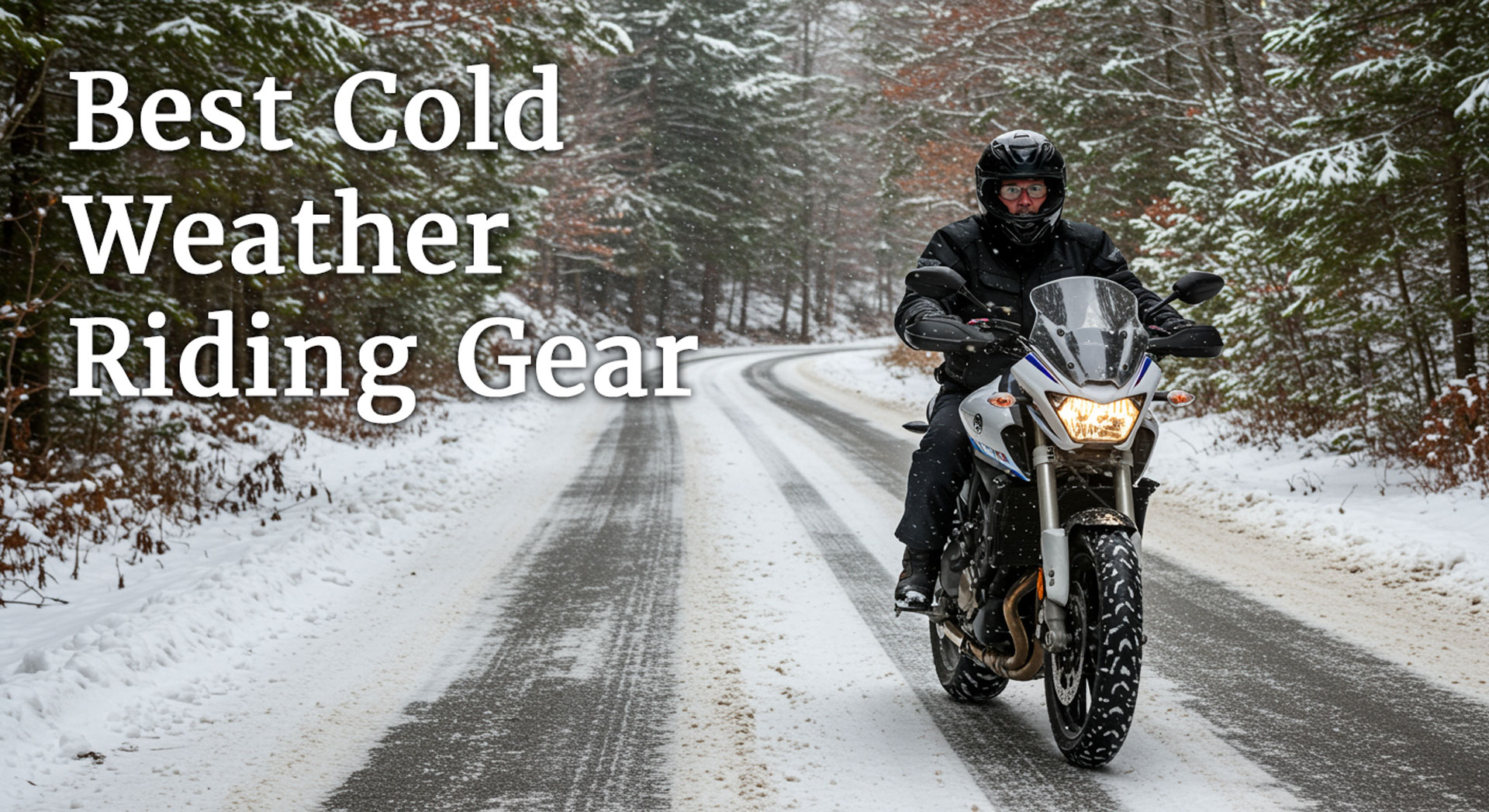
 The breathtaking beauty of Western North Carolina’s winter landscape offers some of the year’s most memorable riding experiences. The crisp air, clear visibility, and solitude of cold-season rides create magical moments that summer simply can’t match. However, riding in mountain winter conditions demands specialized gear to maintain both comfort and safety.
Conquer WNC Winter Rides with Proper Equipment
At Waynesville Cycle Center, we’ve been guiding Western NC riders through winter conditions for decades. This comprehensive guide will help you select the ideal cold weather riding gear for our unique mountain environment, where temperatures, elevations, and conditions can change dramatically in a single ride.
1. Mountain Cold Weather Challenges
Western North Carolina’s winter riding environment creates unique challenges that generic cold weather advice doesn’t adequately address.
Temperature Variations by Elevation
The vertical element of mountain riding creates distinct layers of cold:
- Valley floor temperatures: Often 10-15°F warmer than higher elevations
- Mid-mountain conditions: Rapid cooling as you ascend forest roads
- Ridge and gap exposure: Wind chill factors significantly increasing cold impact
- North-facing versus south-facing slopes: Dramatic temperature differences
- Shadowed areas: Remaining substantially colder throughout the day
These elevation-based variations mean riders must prepare for conditions potentially 20-30°F colder than valley forecasts indicate, particularly on routes like the Blue Ridge Parkway or forest service roads climbing to higher elevations.
Wind Chill Considerations
The amplified effect of wind at speed:
- Exponential cooling effect: How 45°F quickly feels like 25°F at highway speeds
- Mountain gap acceleration: Wind tunneling effects in certain landscape features
- Exposed ridgeline riding: Unimpeded wind increasing cooling
- Vehicle aerodynamic factors: How fairing and windshield choices affect exposure
- Speed management importance: The relationship between velocity and cold
Understanding wind chill is essential for mountain winter riding. Even moderate 40°F temperatures can produce dangerous wind chill effects at highway speeds when combined with naturally stronger mountain winds.
Moisture Management Challenges
Dealing with both external and internal moisture:
- Snow and ice exposure: Preparing for frozen precipitation
- Rapid melt conditions: Managing wet roads under cold skies
- Body heat condensation: Preventing internal moisture buildup
- Fog and cloud encounters: Common at higher elevations
- Creek and water crossings: Particularly relevant for off-road riding
Effective cold weather gear must address both keeping external moisture out while managing the internal moisture your body produces during exertion—a balance that becomes critical in winter riding.
Duration Impact on Cold Tolerance
How time amplifies cold effects:
- Progressive cooling phenomenon: The cumulative effect of extended exposure
- Core temperature maintenance: Becoming more difficult over time
- Extremity blood flow reduction: Hands and feet suffering first
- Mental fatigue from cold stress: Affecting reaction time and decision-making
- Recovery period needs: Warming breaks required for longer rides
Even well-equipped riders must understand their duration limitations in cold conditions. What feels manageable for 30 minutes may become dangerous after two hours of continuous exposure.
2. Essential Cold Weather Riding Gear: Core Protection
The foundation of any winter riding system starts with properly protecting your body’s core.
Base Layer Fundamentals
The critical first layer against your skin:
- Material selection importance: Merino wool versus synthetic options
- Moisture-wicking properties: Moving perspiration away from skin
- Compression considerations: Blood flow benefits of light compression
- Seamless construction advantages: Reducing pressure points under outer layers
- Weight options: Lightweight to expedition-weight depending on conditions
A quality base layer is your first defense against cold and should be selected based on expected activity level and temperature range. For mountain winter riding, mid-weight to heavyweight options typically provide the best balance.
Mid-Layer Insulation Options
The thermal barrier that traps body heat:
- Down versus synthetic fills: Advantages in different moisture conditions
- Fleece weight options: Grid, micro, and heavy fleece considerations
- Active insulation technology: Breathable warmth for varying exertion levels
- Hybrid construction designs: Targeting insulation to critical body zones
- Packability factors: Considering space limitations for carrying options
The ideal mid-layer for Western NC winter riding balances substantial warmth with minimal bulk, allowing full mobility while providing crucial thermal protection.
Outer Layer Weather Protection
Your shield against wind, precipitation and road spray:
- Waterproof-breathable membranes: GORE-TEX® versus proprietary alternatives
- Wind resistance ratings: Critical for mountain gap exposure
- Ventilation systems: Preventing overheating during exertion
- Abrasion resistance: Safety considerations beyond weather protection
- Reflective elements: Visibility in limited winter daylight
For Western NC conditions, prioritize outer layers with excellent wind protection, moderate waterproofing, and adjustable ventilation to handle the variable conditions encountered during elevation changes.
Motorcycle-Specific Jackets and Pants
Purpose-built gear advantages:
- Riding position design: Pre-curved for comfort on the bike
- Armor integration: Protection incorporated without compromising warmth
- Fastening systems: Secure closures preventing drafts at speed
- Connection zippers: Creating unified protection between jackets and pants
- Access considerations: Pockets and openings designed for riding access
While general outdoor winter clothing can work in a pinch, motorcycle-specific gear offers significant advantages in both comfort and safety during winter riding.
For ATV and side-by-side riders, our article on ATV trail riding tips includes valuable information about adapting your gear choices for off-road winter adventures in Western North Carolina.
3. Extremity Protection: Where Cold Strikes First
Your body prioritizes core warming at the expense of extremities, making dedicated protection essential for hands, feet, and head.
Winter Glove Technology
Advances in hand protection for cold conditions:
- Insulation types: Thinsulate™, PrimaLoft®, and down fill options
- Heated glove technology: Battery-powered active warming
- Gauntlet versus short cuff designs: Overlap considerations with jackets
- Dexterity preservation: Balancing warmth with control feel
- Touchscreen compatibility: Maintaining device operation without exposure
Hand protection represents one of the most critical winter gear investments. Unlike hiking or skiing, motorcyclists can’t put their hands in pockets or swing arms to generate warmth—they must maintain continuous grip while exposed to significant wind chill.
Boot and Foot Protection Systems
Keeping feet warm and dry:
- Insulated riding boots: Purpose-built for winter conditions
- Sock layering strategies: Moisture management from the skin out
- Vapor barrier techniques: Advanced approaches for extreme cold
- Circulation preservation: Avoiding over-tightening that restricts blood flow
- Waterproofing maintenance: Ensuring continued protection over time
Cold feet can quickly transform an enjoyable ride into misery. The combination of reduced circulation from sitting and exposure to cold airflow makes specialized foot protection essential for winter riding.
Head and Neck Protection
Critical areas for heat retention and comfort:
- Full-face helmet advantages: Inherent wind protection
- Face shield considerations: Pinlock® and anti-fog technologies
- Balaclavas and helmet liners: Adding insulation within your helmet
- Neck tubes and gaiters: Preventing critical heat loss at the collar
- Breath deflector benefits: Managing respiration in enclosed helmets
Up to 30% of body heat can be lost through the head and neck areas. Proper protection of these regions significantly extends comfortable riding duration in cold conditions.
4. Active Heating Technologies
Modern heated gear has revolutionized winter riding comfort and safety.
Heated Clothing Systems
Integrated active warmth:
- Heated jacket liners: Core warming extending riding seasons
- Heated pant liners: Lower body comfort for longer durations
- Heated glove options: Direct warming for the most vulnerable extremities
- Heated sock systems: Foot comfort for extended winter rides
- Controller technologies: Single-zone to multi-zone temperature management
Modern heated gear operates at low voltage (typically 12V DC) and draws minimal power from your vehicle’s electrical system while providing transformative comfort in cold conditions.
Heated Grip Installation
Direct handlebar warmth:
- Aftermarket options: Universal kits versus model-specific installations
- Factory heated grip advantages: Integrated control and appearance
- Installation considerations: DIY versus professional mounting
- Temperature control systems: High/low versus variable adjustment
- Combination with handguards: Creating micro-climate around controls
Heated grips provide remarkable comfort improvement for winter riding and represent one of the most cost-effective winter gear investments for most riders.
Portable Heating Options
Supplemental warmth solutions:
- Chemical heat packs: Single-use versus reusable options
- Battery-powered heat: Portable systems independent from vehicle power
- Heated seat covers: Addressing an often-overlooked comfort point
- Microwavable heat pads: Pre-ride and rest stop warming
- Emergency heat options: Safety backup systems for unexpected situations
These supplemental options provide flexibility for varying conditions and can serve as affordable entry points into cold weather riding before investing in comprehensive systems.
5. Wind Management: The Critical Cold Factor
Effectively blocking wind makes a dramatic difference in winter riding comfort.
Windshield and Fairing Optimization
Creating protected air pockets:
- Height considerations: Finding the ideal wind diversion height
- Width factors: Protecting hands and body core
- Adjustable systems: Adapting to changing conditions
- Double-bubble and touring designs: Enhanced protection options
- Hand guard integration: Creating protected control zones
The right windshield selection can raise the comfortable riding temperature by 10-15°F by simply redirecting airflow around the rider instead of through their gear.
Handguard and Deflector Systems
Protecting vulnerable control areas:
- Hard versus soft handguards: Protection levels and mounting considerations
- Extender options: Increasing coverage beyond standard guards
- Mirror-mounted deflectors: Additional wind management options
- Leg shield accessories: Lower body wind protection
- Custom fabrication solutions: Addressing model-specific needs
With proper handguards, many riders find they can use significantly lighter gloves in moderately cold conditions, improving control feel and reducing fatigue.
Aerodynamic Streamlining
Working with airflow instead of against it:
- Riding position adjustments: Reducing wind exposure profile
- Luggage and accessory placement: Minimizing disruption to clean airflow
- Tank bag benefits: Creating forward wind barriers
- Helmet design factors: How profile affects wind noise and buffeting
- Body positioning techniques: Reducing direct wind impact
Understanding and optimizing your aerodynamic profile can significantly enhance cold weather comfort without additional gear investments.
6. Layering Strategies for Western NC Conditions
Effective layering systems for different temperature ranges and riding styles.
Street and Highway Riding Systems
Protection at speed for paved road adventures:
- 25-35°F system: Maximum protection for near-freezing highway exposure
- 35-45°F setup: Balanced protection for moderate cold
- 45-55°F approach: Transitional season layering
- Modular adjustment techniques: Adapting to temperature changes during rides
- Storage solutions: Managing layers as conditions warm
Highway-speed riding creates the most significant wind chill effect, demanding focused protection and often incorporating active heating elements for sub-40°F temperatures.
Off-Road and Trail Layering
Addressing higher exertion with appropriate protection:
- Activity level considerations: Matching insulation to physical effort
- Venting importance: Preventing overheating during technical sections
- Moisture management priority: Handling increased perspiration
- Armor and protection integration: Maintaining safety with winter bulk
- Quick-adjustment features: Adapting to changing exertion levels
Off-road winter riding often involves periods of intense physical activity followed by less active riding. The ideal layering system allows quick regulation to prevent both overheating and chilling.
Adventure and Dual-Sport Approaches
Versatile protection for mixed-environment rides:
- Adaptable system design: Handling both highway wind and trail exertion
- Elevation transition strategies: Adjusting for altitude temperature changes
- Duration extension approaches: Maintaining comfort for all-day adventures
- Emergency layer inclusion: Safety backup for unexpected conditions
- Multi-day considerations: Drying and maintenance between consecutive rides
Adventure riding demands the most versatile cold weather systems, capable of handling everything from highway-speed wind to technical trail sections with varying exertion levels.
7. Essential Winter Riding Accessories
Beyond core clothing systems, these additions significantly enhance winter comfort.
Helmet Technologies for Cold Conditions
Specialized features for winter riding:
- Breath deflector systems: Managing respiration to prevent fogging
- Pinlock® and anti-fog inserts: Maintaining clear vision
- Winter-specific vent plugs: Blocking excessive airflow
- Moisture management liners: Controlling condensation
- Quick-change shield mechanisms: Adapting to changing light conditions
Modern winter-ready helmets incorporate features specifically designed to address cold weather challenges, from fog prevention to reduced vent airflow.
Hydration and Nutrition Considerations
Maintaining body function in cold conditions:
- Insulated hydration systems: Preventing water freezing
- Warm liquid benefits: Internal warming from appropriate drinks
- Calorie considerations: Increased energy needs in cold environments
- Accessible storage: Managing food and drink without removing protective layers
- Electrolyte balance: Addressing different sweat patterns in cold conditions
Proper hydration and nutrition become more challenging but no less important during winter riding. Planning these aspects carefully extends comfortable riding duration.
Electronic and Communication Adaptations
Technology considerations for cold environments:
- Battery life reduction: How cold affects device operation
- Touchscreen limitations: Glove compatibility and temperature effects
- Communication system placement: Optimizing microphone position with face coverings
- Charging solutions: Maintaining power for essential devices
- GPS and navigation access: Operating devices without removing gloves
Cold temperatures can significantly affect electronic devices, requiring adaptation in how you access and utilize technology during winter rides.
8. Cold Weather Gear Maintenance and Care
Protecting your investment and ensuring continued performance.
Cleaning and Waterproofing Renewal
Maintaining technical fabrics:
- Technical wash products: Appropriate cleaners for performance fabrics
- DWR reapplication: Restoring water repellency
- Seam sealing maintenance: Addressing high-stress areas
- Proper drying techniques: Preserving insulation effectiveness
- Storage considerations: Maintaining loft and performance
Regular maintenance dramatically extends the life and performance of technical winter gear, particularly waterproof-breathable materials that require special care.
Battery System Maintenance
Keeping heated gear reliable:
- Charging best practices: Optimizing battery lifespan
- Storage procedures: Off-season battery maintenance
- Connection protection: Preventing corrosion and damage
- Performance monitoring: Recognizing capacity reduction
- Troubleshooting techniques: Addressing common system issues
With proper care, modern heated gear batteries can provide reliable service for multiple seasons, making them a worthwhile long-term investment.
Off-Season Storage
Protecting gear during warmer months:
- Cleaning requirements: Preparing for storage
- Appropriate storage containers: Protecting from dust and pests
- Hanging versus folding decisions: Preserving material integrity
- Periodic inspection: Checking for issues during storage
- Organization systems: Maintaining complete gear sets
Proper off-season storage ensures your cold weather gear remains in optimal condition, ready for immediate use when temperatures drop again.
9. Winter Riding Safety Considerations
Cold weather introduces specific safety challenges requiring attention.
Reduced Traction Awareness
Adapting to compromised road conditions:
- Cold tire temperature effects: Reduced grip until proper warming
- Ice patch identification: Visual cues for dangerous areas
- Shaded area caution: Where ice persists despite sunny conditions
- Bridge and elevation freezing: Understanding where ice forms first
- Braking distance adjustments: Allowing extra space in winter conditions
Winter riding demands heightened awareness of traction limitations, with conservative riding approaches until conditions are fully assessed.
Visibility Challenges
Seeing and being seen:
- Limited daylight hours: Planning rides within shorter days
- Low sun angle effects: Managing increased glare
- Fogging management: Maintaining clear vision
- Enhanced conspicuity: Higher visibility needs during winter
- Rapidly changing light conditions: Adaptation to cloud and tree cover transitions
Winter’s limited daylight and challenging light conditions require specific gear adaptations and increased attention to visibility factors.
Hypothermia Recognition
Understanding cold’s effects on the body:
- Early warning signs: Identifying initial symptoms
- Cognitive impact awareness: How cold affects decision-making
- Riding partner monitoring: Watching for symptoms in others
- Appropriate response procedures: Knowing when and how to warm up
- Emergency protocols: Serious situation management
Cold weather riding safety depends on understanding how hypothermia develops and recognizing its early signs before they become dangerous.
Frequently Asked Questions About Cold Weather Riding Gear
What’s the single most effective gear upgrade for winter riding?
Answer: While needs vary by individual, heated grips consistently provide the highest comfort improvement per dollar invested for most riders. Hands remain exposed to direct airflow while needing to maintain dexterity for controls, creating a challenging combination. Heated grips address this directly by warming the primary contact points.
For those riding without handguards, combining heated grips with wind protection creates a significant comfort multiplication effect. For riders who already have heated grips, a quality heated vest or jacket liner typically provides the next most noticeable improvement by maintaining core temperature, which helps your body naturally keep extremities warmer.
How do I prevent visor fogging in cold conditions?
Answer: Effective fog prevention requires a multi-faceted approach. Start with a Pinlock® insert or equivalent anti-fog system—these dual-lens systems create a thermal barrier that dramatically reduces fogging. Manage respiration by using helmets with breath deflectors that direct exhaled air downward rather than onto the shield. Ensure proper ventilation balance—some airflow is necessary to manage humidity, but excessive venting creates uncomfortable cooling.
Consider partially opening your visor at stops to release humid air. For extreme conditions, anti-fog sprays and wipes provide additional protection when used properly. Finally, a proper neck tube or balaclava that directs breath downward rather than up into the helmet space significantly reduces interior humidity.
Are heated gear systems safe and reliable for motorcycle use?
Answer: Modern motorcycle heated gear systems are exceptionally safe when purchased from reputable manufacturers. They operate on low voltage (typically 12V DC), similar to other accessories, with minimal current draw—most complete systems require less power than your headlight. Quality systems include multiple safety features: fused connections, automatic shutoff protection, temperature-limiting controls, and moisture-resistant designs.
Reliability has improved dramatically in recent generations, with controller connections being the most common failure point (easily prevented with dielectric grease application). Battery-powered systems eliminate connection concerns entirely. For maximum reliability, choose established brands with motorcycle-specific designs rather than adapting generic heated clothing to powersports use.
What’s the best layering strategy for rides with significant elevation changes?
Answer: For Western NC rides with substantial elevation changes, a modular system with easily adjustable ventilation works best. Start with a moisture-wicking base layer, add a zip-front mid-weight insulation layer, and top with a waterproof-breathable outer layer featuring chest and pit vents. This allows quick adjustments at different elevations without removing multiple pieces.
For extreme elevation changes (like valley to Blue Ridge Parkway), pack a compact additional mid-layer and lightweight glove liners that can be added at higher elevations. ATV and side-by-side riders should consider riding bibs with full zips for easy on/off without removing boots. The key is planning for 15-20°F temperature drops at higher elevations while maintaining the ability to adjust quickly during your ride.
How do I keep my feet warm on long winter rides?
Answer: Effective foot warming combines multiple approaches. Start with proper circulation—avoid over-tightening boots or straps that restrict blood flow. Layer appropriately with a moisture-wicking liner sock (silk or synthetic) under a quality insulating sock (merino wool blend recommended). Consider electric socks or insoles for rides below 35°F. Windproof and waterproof boots with Thinsulate™ or similar insulation provide the foundation of your system. Add boot covers for extra wind protection on highway rides.
Between rides, ensure boots dry completely—remove liners if possible and use boot dryers rather than direct heat sources. Finally, keep your core warm with proper upper body protection—when your core temperature drops, your body reduces circulation to extremities, quickly leading to cold feet regardless of boot quality.
Recommended Gear Systems for Western NC Winter Riding
Based on decades of mountain riding experience, these gear combinations have proven effective for our local conditions.
Essential Cold Weather Street System
Core components for road riding:
- Insulated, waterproof riding jacket: With adjustable venting
- Moisture-wicking base layers: Top and bottom
- Insulated riding pants: With hip and knee protection
- Full-face helmet: With Pinlock® or equivalent anti-fog system
- Winter-specific riding gloves: Gauntlet style with waterproof membrane
- Insulated, waterproof riding boots: With reflective elements
- Neck tube or balaclava: Managing the jacket-helmet interface
- Heated grips: Direct hand warming at primary contact points
This system provides reliable protection for typical Western NC winter riding conditions on paved roads down to approximately 35°F without additional heated gear.
Comprehensive Cold Weather Adventure System
Advanced protection for mixed-terrain riding:
- Heated jacket liner: Core warming for extended rides
- Adventure-specific outer layers: Designed for both seated and standing riding
- Technical mid layers: Moisture-managing insulation
- Heated gloves or glove liners: Direct hand warming
- Dual-sport specific helmet: With enhanced ventilation control
- Waterproof adventure boots: With adequate insulation
- Thermal boot liners: Additional foot insulation
- Handguards with extensions: Creating protected control area
- Adjustable windscreen: Tailoring wind protection to conditions
This comprehensive system extends comfortable riding down to the mid-20s°F for extended periods, allowing full-day winter adventures across varying terrain and elevations.
Cold Weather ATV/UTV Essentials
Off-road specific protection:
- Snowmobile-inspired outerwear: Designed for seated open-vehicle exposure
- Insulated riding bibs: Full coverage with adjustable ventilation
- Moisture-management layering system: Adapting to exertion levels
- Handlebar mitts/muffs: Creating protected hand environments
- Insulated riding gloves: With adequate dexterity for controls
- Waterproof winter boots: With aggressive traction patterns
- Full windshield: Providing maximum wind deflection
- Cab enclosure options: For side-by-sides in extreme conditions
This system addresses the unique challenges of open-vehicle winter riding, where wind protection becomes even more critical due to the lack of fairing and bodywork found on motorcycles.
Conclusion: Extending Your Riding Season
With appropriate cold weather gear investment and knowledge, Western North Carolina’s winter riding season offers some of the year’s most memorable experiences. Clear air, reduced traffic, and the unique beauty of the winter landscape create magical rides for properly equipped enthusiasts.
The key to successful cold weather riding lies in systematic layering, understanding local conditions, and making strategic investments in quality gear components. Rather than purchasing everything at once, gradually building your cold weather system allows you to extend your comfortable riding temperature lower each season.
For personalized guidance on winter riding gear suited to your specific needs, visit our contact page or call our parts department at (828) 452-5831. Our experienced staff can help you create a cold weather riding system that maximizes both comfort and value, extending your riding season throughout Western North Carolina’s winter months.
Want to make the most of your off-season? Learn how to properly store your powersports vehicle during periods of non-use by reading our comprehensive guide on winterizing your motorcycle or ATV on our blog. Proper storage ensures your vehicle remains in top condition for those perfect winter riding days.