

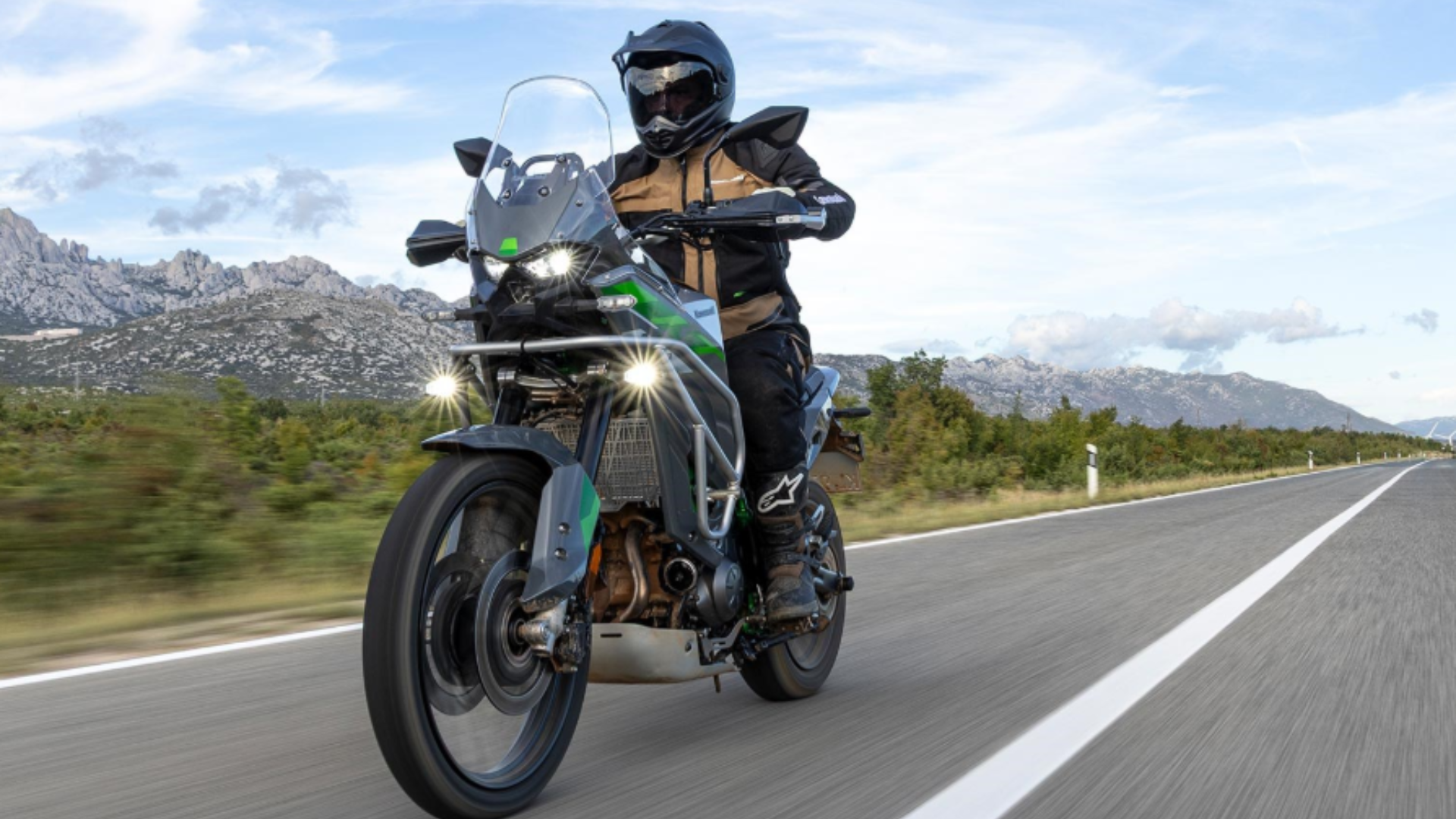
 Winter in Waynesville has a way of sneaking up on riders. One week you’re running the Blue Ridge Parkway under fall color, and the next you’re scraping frost off the truck in the morning. In Haywood County, a lot of motorcycles, ATVs, and UTVs sit for weeks or months between December and the first warm days of spring.
How you park your machine now decides how it starts later. A little care before the cold sets in can save you from a dead battery, stale fuel, and flat-spotted tires come spring. This guide walks through powersports winter preparation for motorcycles, ATVs, and UTVs, based on what the manufacturers themselves recommend.
Quick Summary
- Follow your owner’s manual first. Storage steps differ by model.
- Treat the fuel with stabilizer and run the engine so treated fuel reaches the whole system, or drain it if your manual says to.
- Change the oil before storage, not after.
- Pull the battery, charge it, and keep it somewhere that doesn’t freeze.
- Check tire pressure, and get the weight off the tires if you can.
- Wash, dry, and cover the machine with a breathable cover in a dry spot.
The Short Answer: How Do You Winterize a Powersports Vehicle?
To winterize a motorcycle, ATV, or UTV, clean it, stabilize or drain the fuel as your manual directs, change the oil, and remove and maintain the battery. Then set the tire pressure, raise the machine off its tires if you can, and cover it with a breathable cover in a dry, secure place. If any step is beyond your tools or comfort level, our service department can help.
Start With Your Owner’s Manual
Every manufacturer writes a storage section into its owner’s manual, and the details can change from one model to the next. A race bike, a fuel-injected street bike, and a utility side-by-side may each call for slightly different steps. That’s why this guide gives you the common ground and points you back to your own book.
If you own a Kawasaki or a Suzuki, your manual is the place to start. Suzuki points owners to genuine Suzuki manuals through its owner resources (Suzuki Cycles, SuzukiCARE). If you can’t find your manual, give us a call and we’ll help you track down the right information for your model.
Step 1: Take Care of the Fuel
Fuel is the part of winter prep that causes the most spring headaches. Honda warns that fuel left sitting for an extended period can go stale and turn into a residue that plugs fuel lines (Honda Powersports Canada, Seasonal Tips). That residue is what turns a simple spring start into a fuel system cleaning.
Fill and Stabilize, or Drain?
Manufacturers give two approaches, and your manual tells you which one fits your machine. Honda’s winter storage guide describes both options and recommends filling the tank with fresh fuel for fuel-injected models (Honda Winter Storage Guide). The same guide says to add a fuel stabilizer if you won’t ride for at least 4 to 6 weeks.
Yamaha’s owner’s manual for its YXZ1000R side-by-side takes the same fill-and-stabilize approach for storage of 60 days or more. It says to fill the tank with fresh fuel, add stabilizer per the label, and run the vehicle at least 5 minutes so treated fuel moves through the system. Yamaha also notes that a quality stabilizer removes the need to drain the fuel system (Yamaha YXZ1000R Owner’s Manual).
Some models call for the opposite. Honda’s owner’s manual for the CRF450R motocross bike tells owners to drain the fuel tank into an approved container before storage (Honda CRF450R Owner’s Manual). The lesson is simple: don’t guess, and follow the book for your exact model.
A Few Fuel Tips That Apply to Most Riders
- Add stabilizer to fresh fuel, then fill the tank so it mixes well.
- Run the engine for a few minutes so treated fuel reaches the injectors or carburetor.
- Honda’s guide suggests avoiding ethanol blends for storage when you can, since they absorb water (Honda Winter Storage Guide).
- Always fuel up outdoors or in a well-ventilated area, away from flames and sparks.
Step 2: Change the Oil Before Storage
It’s tempting to save the oil change for spring. Honda recommends doing it before storage instead, because combustion byproducts form acids in used oil that can corrode engine parts while the machine sits (Honda Winter Storage Guide). Fresh oil gives the engine clean protection for the whole winter.
Honda suggests riding until the engine reaches normal operating temperature, then changing the oil and filter. That ride also spreads treated fuel through the system, so you knock out two jobs at once. If you’d rather not handle the drain pan, our service department does oil changes on Honda, Kawasaki, Suzuki, and Yamaha machines.
Step 3: Protect the Battery Through the Cold
A battery left in a parked machine slowly loses its charge. Honda notes that a battery can run down even when the vehicle isn’t in use, so it recommends removing it, fully charging it, and storing it in a well-ventilated, dark place (Honda Powersports Canada, Seasonal Tips). If you leave the battery in the machine, Honda says to disconnect the negative terminal.
Keep It Charged and Above Freezing
Charge matters more than most people think. Honda’s battery guide says keeping a battery fully charged protects it from freezing and from internal corrosion. It recommends storing a disconnected battery at room temperature, between 60 and 80 degrees, and checking conventional batteries monthly and AGM batteries every three months (Honda Powersports, Batteries).
Yamaha gives similar advice for its side-by-side. Its manual says to remove the battery, charge it, store it in a dry place, and recharge it once a month. It also warns against storing the battery above 90 degrees or below 32 degrees (Yamaha YXZ1000R Owner’s Manual). If your storage space isn’t heated, bring the battery inside.
Charging Safely
Honda recommends a charge rate of no more than 3 amps, and a good rule of thumb is the battery’s amp-hour rating divided by 10 (Honda Powersports, Batteries). Charge in a well-ventilated area, wear gloves and eye protection, and unplug the charger if the battery gets hot. If your battery won’t hold a charge, bring it by and we can test the charging system.
Step 4: Look After the Tires
Tires that sit under a machine’s weight all winter can develop flat spots. Honda’s storage guide recommends setting the correct tire pressure and getting the front wheel off the ground with a centerstand or stable stand. If you can’t lift the bike, Honda says to check tire pressure at least once a month during storage (Honda Winter Storage Guide).
Motorcycles and Dirt Bikes
For a street bike, a rear stand plus a front stand or centerstand does the job. Honda’s CRF450R manual suggests placing the bike on a workstand to raise both tires off the ground (Honda CRF450R Owner’s Manual). Make sure the stand sits on a firm, level surface so the bike can’t tip.
ATVs and UTVs
Four-wheel machines are heavier, so lifting them takes more planning. Yamaha’s side-by-side manual says to put the frame on stands or blocks to raise all wheels off the ground (Yamaha YXZ1000R Owner’s Manual). If you don’t have safe stands, keep the pressure at spec and check it monthly. Spring is also a good time to look at tread, and our guide to choosing the right tire for your ATV or UTV can help.
Step 5: Clean, Protect, and Cover
Mud, road grime, and winter road treatment can sit on metal parts for months if you park a dirty machine. Honda’s guide says to clean the vehicle thoroughly if it’s dirty or has been ridden on salted roads, then dry it completely (Honda Winter Storage Guide). The same guide recommends waxing painted surfaces, but not matte finishes.
Choose a Breathable Cover
A cover protects against dust, UV light, and moisture, but the wrong one can trap water against the machine. Honda advises a breathable cover and warns against tarps and cotton sheets, which hold moisture and promote rust and mildew (Honda Winter Storage Guide). Wait until the engine and muffler cool before you put the cover on (Honda Powersports Canada, Seasonal Tips).
Honda also points out that moisture can build up under a cover after rain, sleet, or snow. If your machine is outside or exposed to dampness, pull the cover now and then and let the body dry. Waterproof covers need the most attention, since they tend to be poorly ventilated.
Pick the Right Spot
Where you store matters as much as how. Honda recommends a dry, secure area out of the weather with little daily temperature swing, and away from windows where sunlight can fade paint and raise condensation (Honda Winter Storage Guide). A garage or barn on the shady side of the property usually works well in our mountain climate.
Yamaha adds one more simple step: tie a plastic bag over the exhaust outlet to keep moisture out (Yamaha YXZ1000R Owner’s Manual). Hang a note on the handlebar or steering wheel so you remember to remove it in spring.
Check the Other Fluids
Winter is a good time to look at fluids that don’t get changed often. Honda’s guide says to replace brake and clutch fluid if it hasn’t been changed in the last two years, because those fluids absorb moisture that leads to corrosion (Honda Winter Storage Guide). It gives the same two-year guidance for coolant on liquid-cooled models.
If you’re not sure when your fluids were last changed, check your service records or ask us to take a look.
DIY or Shop: What Makes Sense for You
Plenty of riders handle winter prep at home, and that’s great. Other owners would rather hand it off, or they find a problem while they’re working. Here’s a simple way to decide.
Jobs Most Owners Can Handle
- Washing, drying, and waxing
- Adding fuel stabilizer and topping off the tank
- Pulling the battery and connecting a smart charger
- Checking tire pressure and setting up stands
- Covering the machine
When to Call Our Service Department
Some jobs need special tools or a trained eye. Honda itself notes that owners who doubt their ability to perform a storage step should contact their dealer (Honda Winter Storage Guide). Our service team handles oil changes, tire changes, brake and rotor service, and full electrical, engine, and driveline diagnostics.
If something didn’t feel right during your last ride, winter is a smart time to have it checked. You can schedule service online, or call our service department at (828) 452-5831 to talk through anything beyond the basics. If you’d rather do the work yourself, our sister store Carolina Cycle sells genuine OEM parts online.
Your Winter Storage Checklist
Run through this list before you park for the season:
- Read the storage section of your owner’s manual.
- Wash and dry the machine completely.
- Stabilize and fill the fuel, or drain it, as your manual directs.
- Ride or run the engine so treated fuel reaches the whole system.
- Change the oil and filter.
- Check the age of your brake fluid and coolant.
- Remove, charge, and store the battery above freezing.
- Set tire pressure and raise the machine on stands if you can.
- Cover the exhaust outlet and add a reminder note.
- Cover the machine with a breathable cover in a dry, secure spot.
Waking It Up in Spring
When the first warm weekend arrives, take a few minutes before you fire it up. Honda’s guide recommends checking tire sidewalls for cracks, checking for rust, and reinstalling a clean, charged battery (Honda Winter Storage Guide). It also says to change the oil again if the machine sat for more than four months.
Remove any bag or rag from the exhaust, refill coolant if you drained it, and run through your pre-ride checks. Then take an easy test ride at low speed before you head for the trails or the mountain roads. If anything feels off, we’re here to help.
Frequently Asked Questions
Do I need fuel stabilizer for winter storage?
In most cases, yes. Honda recommends stabilizer if you won’t ride for 4 to 6 weeks or more, and Yamaha’s manual calls for it during long-term storage. A few models, such as some race bikes, call for draining the fuel instead, so check your manual.
Should I store my motorcycle with a full or empty tank?
It depends on the model. Honda recommends a full tank of fresh, stabilized fuel for fuel-injected models, while some manuals call for draining. Follow the storage section of your owner’s manual.
Can I leave the battery in my ATV over the winter?
You can, but removing it is better. Honda recommends taking the battery out, charging it, and storing it in a dry, ventilated place. If you leave it in, disconnect the negative terminal and keep it charged.
How often should I charge a stored battery?
Honda’s battery guide says to check conventional batteries monthly and AGM batteries every three months. Yamaha’s side-by-side manual says to recharge once a month.
What kind of cover should I use?
Use a breathable cover. Honda warns that tarps and cotton sheets trap moisture and promote rust and mildew.
Can Waynesville Cycle Center help get my machine ready for winter?
Yes. Our service department handles oil changes, tire changes, brake and rotor service, and diagnostics. Contact us or call (828) 452-5831 to talk through what your machine needs.
Park It Right, Ride It Sooner
Good winter prep doesn’t take a lot of money or a lot of time. Treat the fuel, change the oil, care for the battery, protect the tires, and cover your machine in a dry spot. Do those things well, and your motorcycle, ATV, or UTV will be ready for the first good riding day of spring.
Have questions about storing your machine or finding the right gear? Contact Waynesville Cycle Center or stop by the dealership at 18999 Great Smoky Mountains Expy. You can also browse our ATV dealer page and motorcycle dealer page to see what we carry. We’ve been helping Western North Carolina riders since 1970, and we’ll help you get through this winter, too.