

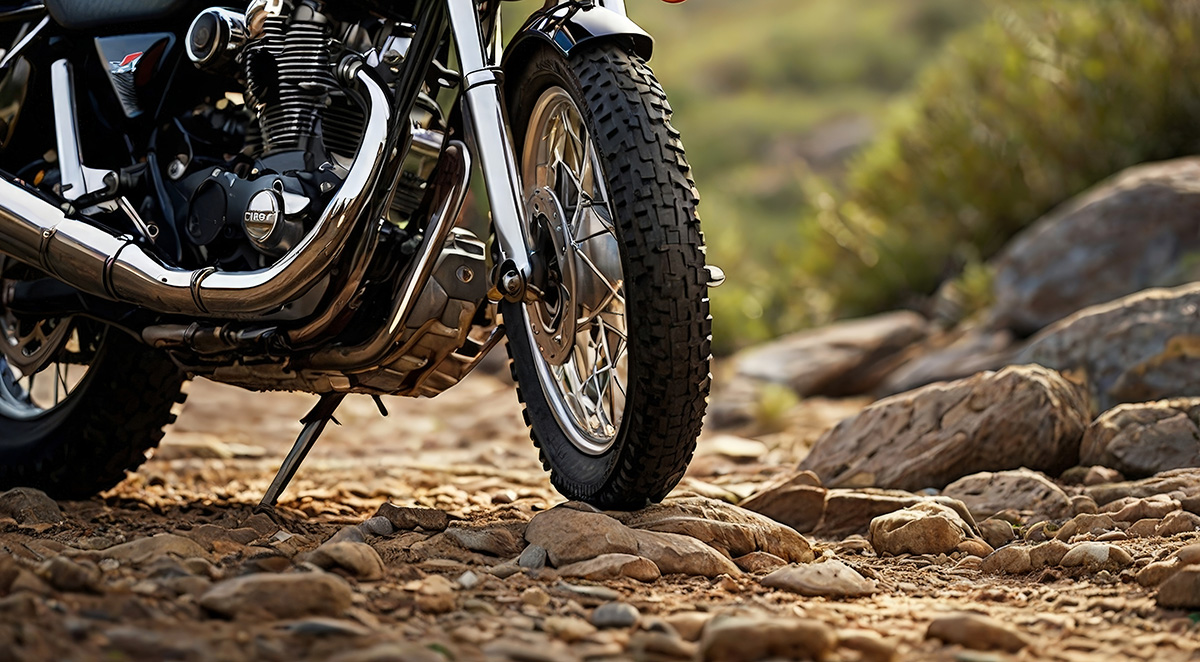
 Ask any experienced trail rider what changed their machine the most, and tires come up again and again. The right set transforms how an ATV or side-by-side climbs, grips, and handles, while the wrong set turns a fun trail into a fight. In the mountains of Western North Carolina, where roots, rock, and wet clay are the norm, that choice matters even more.
Tires are the only part of your machine touching the ground, so they set the ceiling on what everything else can do. A powerful engine and capable suspension still depend on traction to work. This guide walks through choosing tires for mountain trail riding specifically, from tread types to pressure, so your next set matches the terrain you actually ride.
Quick Summary
- Mountain terrain puts unique demands on tires, from steep climbs to slick roots and rock.
- Tread type is the biggest decision, with all-terrain, mud, and all-purpose each suited to different conditions.
- Sizing, lug depth, and tire pressure all shape grip and ride quality on grades.
- Matching tires to your typical conditions beats chasing the most aggressive option.
- Professional mounting and balancing keeps a new set performing as intended.
How Mountain Terrain Changes Tire Needs
Flat, open ground is forgiving. Mountain trails are not. The steep grades common across Western North Carolina demand tires that bite on the way up and hold on the way down, and the mix of exposed roots, loose rock, and wet clay means traction can change from one section of trail to the next. A tire that shines in one condition can struggle in another.
Moisture is the wild card here. Our region sees plenty of rain, and wet clay and slick rock reward tread that clears mud and finds an edge rather than spinning helplessly. Climbing ability in particular comes down to how well a tire can dig in and clean itself as it turns.
Durability matters just as much as grip. Sharp rock and hidden roots are hard on sidewalls and lugs, so a mountain tire needs to be tough as well as grippy. The best choice balances traction, self-cleaning, and resistance to damage for the terrain you ride most.
Tread Types and What They Do
Tread pattern is the heart of the decision, and understanding the main categories makes the choice far easier. Each type is a set of trade-offs rather than a clear winner, so the right answer depends on where and how you ride.
The main categories break down like this:
- All-terrain tires, the versatile middle ground, offering solid grip across mixed conditions and a reasonable ride on harder surfaces.
- Mud tires, with tall, aggressive, widely spaced lugs that excel in deep muck and soft ground but can ride rougher and wear faster on hardpack.
- All-purpose or trail tires, tuned for a smoother ride and predictable handling on packed trails, at the cost of ultimate grip in the worst conditions.
For most Western North Carolina trail riders, an all-terrain tire covers the widest range of what the mountains throw at you. Riders who spend most of their time in deep mud lean toward mud tires, while those who favor packed trails and longer rides may prefer an all-purpose set.
Matching Tread to Trail Conditions
The key is to be honest about your typical ride rather than your occasional one. Choosing an extreme mud tire for the two weekends a year you ride a bog means living with a harsh ride and faster wear the rest of the time. Match the tire to your everyday conditions, and accept a compromise for the rare outlier.
If you want to go deeper on selecting tires for the harshest conditions, our guide on choosing the right tire for extreme terrain covers that end of the spectrum in detail. It pairs well with this one for riders who split time between trail and truly rough ground.
Sizing, Lug Depth, and Tire Pressure
Tread type is the headline, but the details finish the job. Tire size affects ground clearance and gearing feel, and going too large without the setup to support it can strain your machine, so it is worth confirming what your ATV or UTV is built to run. Bigger is not automatically better here either.
Lug depth ties directly to grip and longevity. Deeper lugs bite harder in soft conditions and last longer before wearing down, though they can feel less settled on hardpack. It is another balance between the traction you want and the ride you can live with.
Tire pressure is the most overlooked adjustment, and one of the most useful. Lower pressure increases the contact patch for better grip on loose or rocky terrain, while higher pressure improves stability and reduces the risk of a pinch on hardpack and at speed. Finding the right pressure for mountain riding takes some experimentation, and it can make a bigger difference than riders expect. Choosing the right machine for this terrain matters too, and our guide on how to choose the perfect ATV for mountain terrain is a helpful companion.
When to Repair, Replace, or Upgrade
Knowing when a tire is done saves you from a failure on the trail. Worn-down lugs, visible cracking, exposed cords, or repeated flats are all signs a set has reached the end of its useful life. Riding on tires past that point trades a modest cost now for a much bigger risk later.
An upgrade, as opposed to a straight replacement, is worth considering when your riding has changed. If you have moved toward muddier trails, steeper terrain, or more aggressive riding than your current tires were chosen for, a different tread type may serve you far better than the same set again. It is a natural moment to reassess what you actually ride.
Proper mounting and balancing is the final step, and it matters more than many riders realize. A correctly mounted and balanced set rides smoother, wears more evenly, and performs the way it was designed to. Our service department can handle mounting and balancing, and you can schedule service when you are ready for a new set. For the tires and accessories themselves, our partner Carolina Cycle is a strong resource.
Caring for Your Tires Between Rides
Getting the right tires is only half the job. How you care for them determines how long they last and how well they perform over their life, so a little routine attention pays off in grip, safety, and money saved on early replacement. None of it takes long once it becomes a habit.
Start with cleaning and inspection. After muddy or rocky rides, clearing packed mud and debris lets you spot cuts, embedded objects, and uneven wear before they turn into failures. A quick look after each hard ride catches small problems while they are still small and cheap to address.
Pressure checks belong in that routine too, since tires lose pressure over time and with temperature swings. Checking before rides keeps grip and handling consistent and reduces the chance of a pinch flat or a blowout on the trail. Storage matters as well, because tires last longer kept out of prolonged direct sun and extreme heat, and for a machine parked for a stretch, taking weight off the tires helps prevent flat spots. These habits are simple, and together they keep a good set performing the way it should for as long as possible.
Frequently Asked Questions
Are mud tires a good choice for mixed mountain trails?
They can be, but they are a compromise. Mud tires excel in deep, soft conditions but tend to ride rougher and wear faster on hardpack, so if your trails are mixed, an all-terrain tire usually serves you better across the widest range of conditions.
What tire pressure should I run for mountain riding?
There is no single number, since it depends on your machine, tire, load, and terrain. Lower pressure improves grip on loose or rocky ground, while higher pressure adds stability on hardpack, so it takes some experimenting to find your best setting.
How long do ATV and UTV tires last?
It varies widely with tread type, terrain, and how you ride, so there is no reliable universal figure. Watch for worn lugs, cracking, exposed cords, or repeated flats as your real signals that a set is due for replacement.
Can you mount and balance tires I buy myself?
Yes. Our service department can mount and balance a new set, which helps them ride smoother and wear more evenly. Reach out to schedule it around your riding season.
Get the Right Set Under You
Tires are the foundation of how your machine performs on mountain trails, and matching them to the roots, rock, and wet clay of Western North Carolina is one of the highest-value choices you can make. Start with the tread type that fits your everyday conditions, dial in sizing and pressure, and keep an eye on wear so you are never caught out on the trail.
Not sure which set fits your machine and your trails? Contact our team and we will help you choose, then mount and balance them so they perform from the first ride.