

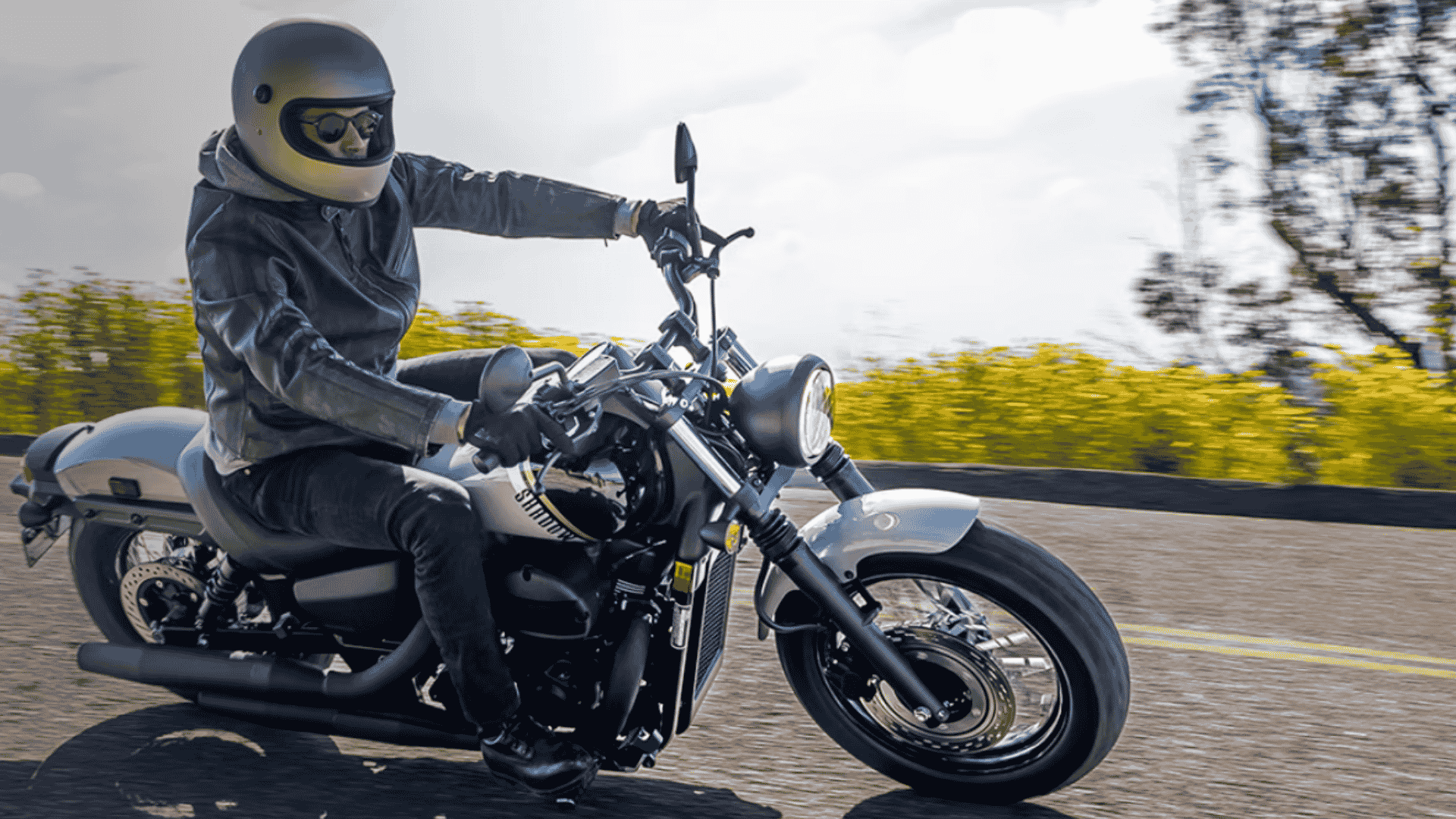
 Your helmet is the single most important piece of gear you will ever buy. It is the difference between walking away from a crash and a life-changing injury, yet it is also the piece riders most often choose in a hurry or on price alone. The right helmet protects you, fits comfortably for hours, and suits the kind of riding you do here in the mountains of Western North Carolina.
The good news is that choosing well is not complicated once you understand what actually matters. This guide breaks down the safety ratings that count, the helmet types and who they suit, how to nail the fit, and when it is time to replace the one you have. By the end, you will be able to shop with confidence rather than guesswork.
Quick Summary
- A helmet is proven safety equipment. Helmets are about 37 percent effective at preventing rider fatalities and roughly 67 percent effective at preventing brain injuries.
- In the United States, a helmet must meet the DOT FMVSS 218 standard to be street legal. ECE 22.06 and Snell M2025 are tougher voluntary standards worth seeking out.
- The main helmet types are full-face, modular, open-face and half, and off-road or dual-sport, each suited to different riding.
- Fit is everything. A correctly sized, snug helmet protects far better than a loose one, no matter how good the rating.
- Replace your helmet roughly every five years, and immediately after any significant impact.
Why Your Helmet Choice Matters
It is worth grounding this decision in the data, because the stakes are real. Research consistently shows that helmets reduce the risk of death by about 37 percent and that unhelmeted riders are roughly three times more likely to suffer a traumatic brain injury in a crash (IIHS, Motorcycles). The National Highway Traffic Safety Administration estimates helmets are about 67 percent effective at preventing brain injuries (NHTSA).
One important caution: not everything shaped like a helmet offers protection. So-called novelty helmets are decorative items with thin shells and minimal padding, and one study found riders in novelty helmets were about twice as likely to die in a crash as those in certified full-face helmets (IIHS, Motorcycles). A real helmet is an investment in the only head you get.
Understanding Safety Ratings and Certifications
The stickers on the back of a helmet tell you which standards it meets. Three matter most for street riders.
DOT (FMVSS 218) is the federal standard every street helmet must meet to be legal in the United States. It tests impact absorption, penetration resistance, chin-strap strength, and field of vision. One thing to know is that DOT is self-certified, meaning manufacturers apply the label themselves and the NHTSA conducts random compliance checks rather than approving helmets in advance (LegalClarity, 2026).
ECE 22.06 is the current European standard, which replaced the older 22.05 in 2022. It is independently tested before sale and adds oblique-impact testing that measures the rotational forces linked to many brain injuries, something DOT testing does not address (LegalClarity, 2026).
Snell M2025 is the latest voluntary standard from the nonprofit Snell Memorial Foundation, having replaced M2020 in October 2024. Snell certification is rigorous and optional, and manufacturers submit helmets for testing at their own expense (RevVRider, 2025).
The practical takeaway is simple. DOT is the floor, not the ceiling. Many quality helmets carry dual or even triple certification, and if you want the broadest tested protection, look for a helmet that meets DOT plus ECE 22.06, Snell, or both.
Helmet Types and Who They’re For
Helmet style affects protection, comfort, and how well a lid matches your riding. Here are the main categories.
Full-Face
A full-face helmet covers the entire head and includes a chin bar, offering the most complete coverage of any style. It protects against impact, wind, weather, and debris, and it tends to be quieter at speed. For most street riders, and especially for the higher-speed, variable-weather riding common on Western North Carolina roads, a full-face helmet is the safest all-around choice.
Modular
A modular, or flip-up, helmet combines full-face coverage with a chin bar that lifts up. This adds convenience at stops, for conversation, or for riders who wear glasses. The trade-off is that the hinge mechanism adds some weight and complexity, though many modulars are well-engineered and carry strong certifications.
Open-Face and Half
Open-face (three-quarter) helmets cover the top, back, and sides of the head but leave the face exposed, while half helmets cover even less. They are popular among cruiser riders for their airy, classic feel. Be clear-eyed about the trade-off, though: without a chin bar, they offer significantly less protection to the face and jaw.
Off-Road and Dual-Sport
Off-road helmets feature an extended chin bar, a sun visor or peak, and large vents designed for the heat and exertion of trail riding, and they are typically paired with goggles. Dual-sport helmets blend off-road styling with a face shield, making them a versatile pick for riders who split time between pavement and dirt.
How to Get the Right Fit
A helmet only protects you if it fits properly, which is why fit matters as much as any certification. A loose helmet can shift or come off in a crash, and an overly tight one becomes painful enough that riders stop wearing it.
Start by measuring your head circumference with a soft tape, about an inch above your eyebrows, and compare it to the manufacturer’s sizing chart. Then consider head shape, since helmets are built for round, intermediate, or long-oval heads, and a shell that matches your shape eliminates pressure points. A properly fitted helmet feels snug all the way around with no gaps, stays put when you try to rotate it on your head, and presses evenly without pinching.
Keep in mind that the comfort liner and cheek pads break in over the first several hours of use, so a new helmet should feel firm at first. The cheek pads should hold your cheeks gently but securely. If you are between sizes or unsure about shape, trying helmets on in person is invaluable, and our team is glad to help you find the right match.
Features Worth Paying Attention To
Beyond safety and fit, a handful of features make a real difference in daily comfort.
- Ventilation. Good airflow keeps you cool and reduces visor fogging, which matters on long mountain climbs and warm summer days.
- Weight. A lighter helmet reduces neck fatigue on longer rides. Balance is as important as raw weight.
- Face shield. Look for anti-fog capability or Pinlock readiness, quick-change shields, and an internal drop-down sun visor for changing mountain light.
- Noise. A well-sealed full-face helmet cuts wind noise, protecting your hearing and reducing fatigue.
- Communication-ready design. If you ride with a group or want navigation and music, a helmet with cutouts for a Bluetooth communicator is a convenience worth having.
Quality gear and accessories, including helmets and communication systems, are available through our parts partner Carolina Cycle, so you can outfit yourself completely.
When to Replace Your Helmet
Helmets do not last forever, even ones that look perfect. The materials that absorb impact, including the foam liner and plastics, degrade gradually with time, sweat, UV exposure, and temperature swings. The widely accepted industry guidance is to replace a helmet roughly every five years, regardless of how lightly it has been used (SHARP, UK Department for Transport, 2024).
More urgently, replace your helmet immediately after any significant impact, even if there is no visible damage. The protective liner is designed to compress once to absorb a crash, and after doing its job it can no longer protect you the same way. Cracks, a loose or deteriorating liner, frayed straps, or a helmet that no longer fits snugly are all signs it is time for a new one.
Frequently Asked Questions
Is a more expensive helmet always safer?
Not necessarily. A higher price often buys lighter materials, better ventilation, quieter operation, and added comfort features rather than a fundamentally safer shell. Any helmet that meets DOT FMVSS 218 has cleared the legal safety floor, and many affordable helmets also carry ECE or Snell certification. Fit and certification matter far more than price.
What does the DOT sticker actually mean?
It means the manufacturer certifies that the helmet meets the federal FMVSS 218 standard required for street use in the United States. Because DOT is self-certified, it is wise to buy from reputable brands and retailers and to look for additional certifications like ECE 22.06 or Snell for extra assurance (LegalClarity, 2026).
How should a new helmet fit?
Snugly and evenly, with no pressure points and no gaps. It should not rotate or slide when you move your head, and the cheek pads should hold your cheeks securely. Expect a new helmet to feel firm at first, since the liner breaks in with use.
How often should I replace my helmet?
About every five years under normal use, and immediately after any crash or significant impact (SHARP, UK Department for Transport, 2024). Also replace it if you notice cracks, a deteriorating liner, or a fit that has loosened over time.
Find the Right Helmet and Ride with Confidence
Choosing the perfect motorcycle helmet comes down to four things: a certification you trust, a type that fits your riding, a precise fit, and replacement before it is past its prime. Nail those, and you have protected the most important part of your ride. A great helmet should fit so well that you almost forget it is there, while doing the most important job of any gear you own.
Riding in our region brings its own considerations, from changing mountain weather to winding roads, and our guide to motorcycle safety tips for mountain riding in Western NC is a great companion read. When you are ready to gear up or shop for your next bike, browse our motorcycle lineup or contact us with any questions. Our team rides these roads too, and we are happy to help you find a helmet that fits right and protects you for miles to come.